Nigerian Senate Faces Intense Scrutiny Over Controversial Electoral Reforms
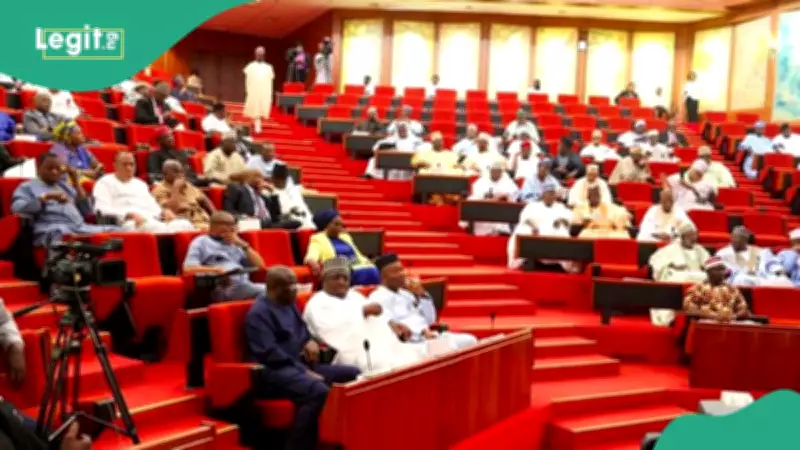
The Nigerian Senate finds itself under intense public examination following its recent passage of the Electoral Act Amendment Bill, with significant concerns raised about the potential impact on electoral transparency ahead of the crucial 2027 general elections. The Kimpact Development Initiative (KDI), a prominent civil society organization, has expressed profound apprehension about key provisions rejected by the legislative body, warning that these decisions could seriously undermine public confidence in Nigeria's democratic processes.
Critical Reforms Rejected Amid Growing Public Concern
In a detailed statement issued on Tuesday, February 3, and widely circulated by Thursday, February 5, KDI acknowledged the Senate's passage of the amendment bill on February 4, 2026, but strongly criticized lawmakers for failing to adopt reforms widely regarded as essential for strengthening Nigeria's electoral integrity. The organization emphasized that these decisions have sparked widespread public debate and could have far-reaching consequences for the nation's democratic stability.
"We are deeply concerned about some of the choices made in the course of this amendment," the organization declared, highlighting the significant gap between legislative actions and public expectations for electoral improvement.
Electronic Transmission Controversy Takes Center Stage
At the heart of the controversy lies the Senate's decision not to mandate electronic transmission of election results, instead opting to retain the existing framework from the 2022 Electoral Act. According to KDI, this omission represents a significant setback for electoral transparency, as many citizens, civil society organizations, election observers, and youth groups had viewed mandatory electronic transmission as a clear mechanism to strengthen trust in election outcomes.
"For many Nigerians, electronic transmission represented a straightforward mechanism to reinforce confidence in results. The absence of clearer statutory obligations may continue to leave room for differing interpretations and operational discretion," the group stated, warning that this lack of clarity raises serious questions about Nigeria's preparedness to conduct credible elections in 2027.
Weakened Sanctions Against Vote Buying
The organization further criticized the Senate's removal of proposed stringent penalties for vote buying, specifically the elimination of a 10-year disqualification for individuals convicted of this electoral offense. KDI described vote buying as one of the most damaging threats to democratic integrity in Nigeria, noting that this practice distorts voter choice, commercializes the franchise, and undermines the legitimacy of electoral outcomes.
"Sanctions for electoral crimes must be proportionate to the harm they inflict and capable of serving as effective deterrents," KDI emphasized, adding that weakening punitive measures could embolden electoral malpractice rather than discourage it, potentially creating a more permissive environment for corruption during elections.
Reduced Election Notice Period Raises Operational Concerns
Additional concerns emerged regarding the Senate's decision to reduce the statutory timeline for issuing election notices from 360 days to 180 days. KDI warned that this shortened preparation window could create significant operational strain on electoral authorities and political parties alike.
"Adequate preparation time is fundamental to the successful conduct of large-scale elections. Shortening this window may place additional pressure on the Independent National Electoral Commission and political parties, increasing the risk of logistical challenges and avoidable disputes," the statement noted, highlighting potential complications that could arise from compressed electoral timelines.
Legislative Divergence and Conference Committee Opportunities
KDI observed significant differences between the Senate's position and that of the House of Representatives, which adopted provisions aimed at strengthening transparency, accountability, and deterrence against electoral malpractice. This divergence within the National Assembly presents what the group described as "an important moment for reflection and alignment" as Nigeria approaches critical electoral milestones.
As the Electoral Act Amendment Bill moves to the conference committee stage, KDI urged lawmakers to strike a careful balance between operational realities and public expectations. "There is still an opportunity to ensure that the final legislation protects institutional stability while strengthening citizen confidence," the organization stated, emphasizing that elections represent not merely legal exercises but crucial public-trust processes.
Broader Context and Historical Precedents
The current debate occurs against a backdrop of ongoing electoral reform discussions in Nigeria. Previously, former Vice-President Atiku Abubakar had called on the Senate to urgently amend the Electoral Act, arguing that flaws in the 2022 legislation paved the way for what he described as widespread rigging and made it nearly impossible for petitioners to obtain justice through the courts.
KDI stressed that Nigeria stands at a critical juncture in its democratic journey, particularly as preparations gradually begin for the 2027 polls. "The legal framework governing elections must not only function effectively but also inspire confidence across political divides and demographic groups, especially among young voters whose participation is vital to democratic vitality," the group concluded, reaffirming its commitment to continued engagement with lawmakers, electoral institutions, civil society, and citizens throughout this crucial legislative process.