The World Bank has identified weak revenue mobilization as Nigeria's most pressing fiscal challenge, dismissing concerns that the country's debt level is excessively high. In an interview on Channels Television on Friday, July 3, World Bank Country Director for Nigeria, Mathew Verghis, stated that Nigeria's debt profile remains moderate by international standards and is fundamentally different from nations facing debt distress.
Nigeria's debt is moderate, revenue is the problem
“From our assessment, Nigeria doesn’t have a high indebtedness problem; it has a low revenue problem,” Verghis said. He explained that Nigeria's debt-to-GDP ratio is lower than that of many comparable countries, and concerns should focus on improving government revenue rather than limiting borrowing. “When we looked at the numbers, Nigeria is a moderately indebted country, meaning it has less debt relative to its economy than most of its neighbors and many other countries,” he added. “Nigeria is in a very different situation than Ghana, for example, which is going through a debt restructuring.”
Borrowing is necessary for development
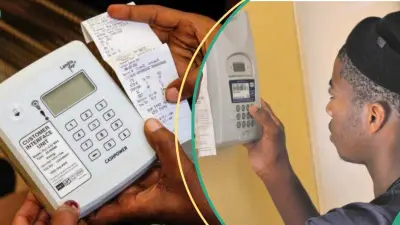
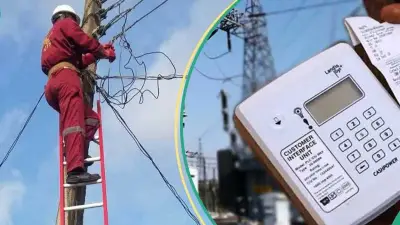
Verghis defended government borrowing as a necessary tool for financing long-term investments that stimulate economic growth and improve living standards. “Nigeria borrows for the same reasons that all countries borrow. If you want to deliver results to people, the money available on an annual basis is not enough. So you borrow, deliver results, and that improves your ability to repay,” he said. He cited the expansion of electricity access as an example, noting that providing power to about 32 million Nigerians requires substantial upfront investment. “To be able to connect and provide energy to 32 million Nigerians, Nigeria needs to borrow money now. But with increased access to energy, the country will become wealthier and better positioned to repay the loans,” he added.
Low revenue is the greater threat
The World Bank official warned that low government revenue poses a greater threat to Nigeria’s fiscal sustainability than its current debt level. “Nigeria’s debt is not particularly high, and in fact, it’s quite moderate by international standards. Its revenues are very low by international standards, and unless those revenues are raised, it will not be able to pay back debt,” Verghis said. According to him, strengthening revenue mobilization would enable the government to increase investments in infrastructure, healthcare, education and other sectors that drive job creation, improve human capital and reduce poverty over the long term.
New World Bank partnership framework focuses on jobs
The remarks come as the World Bank recently unveiled a new Country Partnership Framework for Nigeria spanning 2026–2032, which places job creation at the center of its support for the country through investments in infrastructure, healthcare, agriculture and digital connectivity.