
Iran Launches Attacks on Key Industrial Sites Across Gulf Nations
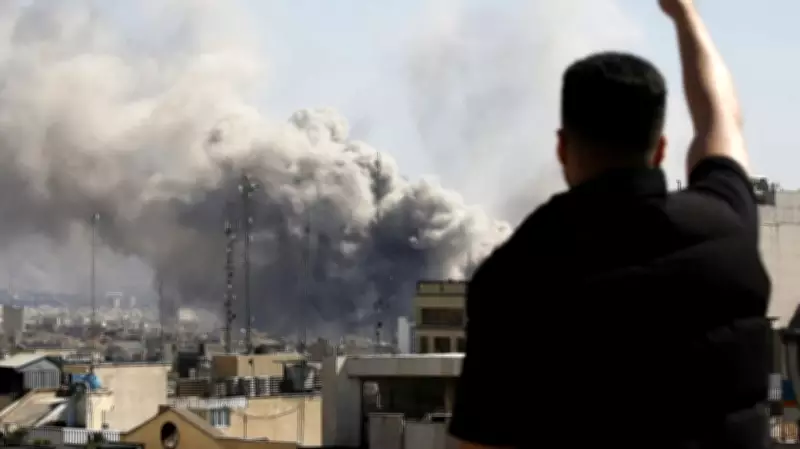
In a significant escalation of regional hostilities, Iran has targeted major industrial infrastructure across several Gulf states, as the conflict involving the United States and Israel enters its fifth week. The attacks, carried out with drones and missiles, have resulted in injuries and substantial damage, raising fears of broader economic disruption and deepening divisions among Gulf countries.
Strikes on Aluminum Facilities in UAE and Bahrain
The United Arab Emirates reported that an Iranian strike hit a crucial aluminum plant in Abu Dhabi, operated by Emirates Global Aluminum. According to UAE authorities, a number of individuals sustained injuries, and the facility suffered significant structural harm. Similarly, in Bahrain, state-controlled Aluminium Bahrain confirmed that two employees were wounded during an Iranian attack on one of the world's largest aluminum smelting plants. These incidents underscore the direct impact on industrial operations in the region.
Iran's Justification and Regional Fallout
Iran's Islamic Revolutionary Guard Corps (IRGC) claimed responsibility for the assaults, stating in a statement via the semi-official Mehr news agency that the targeted aluminum sites were linked to the American military. This action was framed as a retaliatory measure following accusations that Israel had attacked two steel production facilities vital to Iran's economy. The IRGC's involvement highlights the proxy dynamics at play in the ongoing conflict.
Elsewhere in the Gulf, Oman is investigating what it described as cowardly attacks after a foreign worker was reportedly injured in a drone strike on the southern port of Salalah. Kuwait's defense ministry also disclosed that its international airport's radar system sustained major damage from an assault involving 15 drones. These events have placed Gulf nations' economies and lifestyles under severe strain, prompting calls for inclusion in any future peace negotiations, though consensus on relations with Iran or the U.S. remains elusive.
Broader Regional Implications and Economic Concerns
The attacks coincided with Yemen's Iran-backed Houthis entering the fray on Saturday, launching missile barrages against Israel and vowing to continue such offensives. Israel confirmed intercepting two missiles from Yemen, while fears mount over potential disruptions to Red Sea shipping, which could exacerbate economic instability. Already, oil and gas prices have surged as Iran has effectively closed the Strait of Hormuz, a critical global energy shipping route between the Persian Gulf and the Gulf of Oman.
In parallel, Israel continued its military operations in Lebanon, where a targeted strike killed three journalists over the weekend. The Israel Defense Forces (IDF) identified one victim, Ali Shoeib of Hezbollah-affiliated Al Manar TV, as a terrorist from the elite Radwan Force, though no evidence was provided to substantiate claims of a military role. The World Health Organisation reported that nine paramedics were killed in southern Lebanon within 24 hours, bringing the total health personnel fatalities in March to 51, highlighting the humanitarian toll of the conflict.
As tensions escalate, Gulf states are grappling with the immediate impacts of these attacks while navigating complex geopolitical alliances. The situation underscores the fragile balance in the region, with industrial damage, economic pressures, and loss of life intensifying calls for diplomatic resolution amid ongoing hostilities.




