
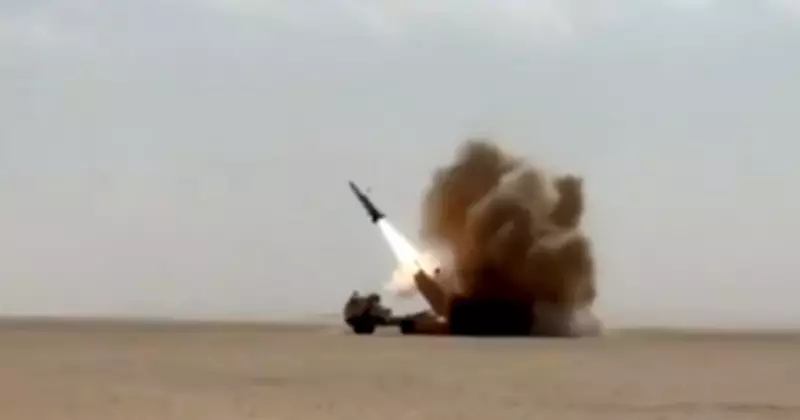
Iranian Missile and Drone Attack Targets U.S. Forces at Saudi Arabian Air Base
In a significant escalation of regional tensions, an Iranian missile strike combined with unmanned drone attacks targeted Prince Sultan Air Base in Saudi Arabia on Friday, resulting in multiple American casualties and substantial damage to military aircraft. According to a U.S. official speaking anonymously due to the sensitivity of the matter, the assault wounded twelve U.S. service members and inflicted damage on several American refueling planes stationed at the facility.
Details of the Attack and Confirmation
The official confirmed that the attack involved precision-guided Iranian missiles alongside drone swarms, specifically targeting U.S. assets at the base. While the exact severity of the injuries sustained by the troops remains unclear, the incident marks a direct hit on American military personnel in the region. This confirmation follows earlier reports by The Wall Street Journal and the emergence of satellite imagery online, which appeared to show visible damage to the aircraft on the ground.
Tragically, the attack adds to a growing toll of U.S. casualties in the conflict. Army Sgt. Benjamin N. Pennington, aged 26, died days after being wounded during a previous assault on the same base on March 1. U.S. Central Command had earlier stated that more than 300 service members have been wounded since hostilities began, underscoring the persistent danger faced by American forces deployed in the area.
Political Reactions and Regional Diplomacy
Amidst the aftermath of the strike, U.S. President Donald Trump seized the moment to advocate for enhanced diplomatic relations in the Middle East. Speaking at an event in Miami sponsored by the Saudi sovereign wealth fund, Trump declared, "It's now time" for Saudi Arabia and Israel to normalize ties once the war with Iran concludes. He emphasized, "We've now taken them out, and they are out bigly. We got to get into the Abraham Accords."
Trump has long championed the Abraham Accords, aiming to broker normalization between Israel and Saudi Arabia, the two dominant powers in the region. However, significant obstacles persist, notably Saudi Arabia's firm condition that there must be a credible pathway to establishing a Palestinian state before it will consider formalizing commercial and diplomatic relations with Israel.
Humanitarian Developments and Iranian Stance
In a contrasting move, Iran signaled a willingness to cooperate on humanitarian efforts despite the ongoing military strikes. Ali Bahreini, Iran's ambassador to the United Nations in Geneva, announced that Tehran has agreed to "facilitate and expedite" the passage of humanitarian aid through the strategically vital Strait of Hormuz. This commitment comes even as Iran endures attacks on its nuclear facilities, highlighting a complex dual approach of military engagement and diplomatic overtures.
Bahreini stated that Iran accepted a U.N. request to allow humanitarian aid and agricultural shipments to traverse the waterway, which typically handles one-fifth of global oil shipments and nearly a third of the world's fertilizer trade. He noted in a post on X, "This measure reflects Iran's continued commitment to supporting humanitarian efforts and ensuring that essential aid reaches those in need without delay."
The proposed aid plan represents the first potential breakthrough at this critical shipping chokepoint after a month of warfare. While international attention has largely focused on disruptions to oil and natural gas supplies, the restriction of fertilizer ingredients poses a severe threat to global farming and food security, making this humanitarian corridor a crucial development.
The United Nations has established a task force to address the ripple effects of the Iran conflict on aid delivery, aiming to mitigate the broader humanitarian crisis exacerbated by the war.




