
Iran's Leadership Decimated by US-Israeli Military Campaign
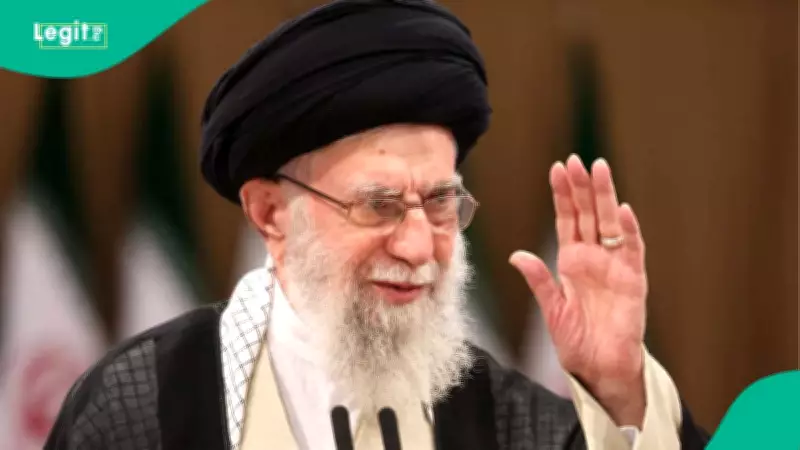
In a dramatic escalation of hostilities, coordinated US-Israeli airstrikes have systematically targeted and eliminated eleven of Iran's most senior political and military leaders since the conflict began in February 2026. The most significant casualty remains Supreme Leader Ayatollah Ali Khamenei, whose death in the war's opening hours marked an unprecedented blow to the Islamic Republic's command structure.
Despite these devastating losses, Iranian authorities have demonstrated remarkable resilience by swiftly appointing replacements and maintaining their military operations against what they describe as foreign aggression. The conflict has exposed deep vulnerabilities within Iran's leadership while testing the nation's capacity for continuity under extreme pressure.
Key Figures Lost in the Conflict
The targeted strikes have removed multiple pillars of Iran's establishment:
- Ayatollah Ali Khamenei - The supreme leader was killed on February 28, 2026, along with several family members in a Tehran strike. His son Mojtaba has reportedly assumed leadership duties but remains unseen publicly.
- Ali Larijani - The influential security chief died in an Israeli strike near Tehran on March 17, 2026, just days after publicly demonstrating defiance at a government rally.
- Mohammad Pakpour - The Revolutionary Guards commander-in-chief fell on the war's first day and was replaced by former minister Ahmad Vahidi.
- Alireza Tangsiri - The naval commander succumbed to wounds from a March 26, 2026 strike, having been accused by Israel of orchestrating the Strait of Hormuz blockade.
- Ali Shamkhani - The veteran military adviser was killed on the conflict's opening day and received a public funeral in Tehran.
- Esmail Khatib - The intelligence minister died on March 18, 2026, having faced accusations from rights groups regarding protest suppression.
- Aziz Nasirzadeh - The defence minister and Iran-Iraq war veteran was eliminated during the initial hostilities.
- Gholamreza Soleimani - The Basij paramilitary commander, notorious for protest crackdowns, was killed on March 17, 2026.
- Ali Mohammad Naini - The Revolutionary Guards spokesman died on March 20, 2026, hours after praising Iran's missile capabilities.
- Mohammad Shirazi - The head of the military coordination office was killed during the war's opening phase.
- Abdolrahim Mousavi - The armed forces chief, who bridged the Revolutionary Guards and regular army, fell on the conflict's first day.
Strategic Implications and Iranian Response
The systematic elimination of Iran's leadership represents a calculated military strategy by US and Israeli forces, explicitly aimed at regime change according to Washington's declarations. However, the Islamic Republic has countered this approach through rapid succession planning and institutional continuity mechanisms.
Each fallen leader has been replaced within days, sometimes hours, demonstrating the regime's prepared contingency protocols. This organizational resilience has allowed Iran to maintain its military campaign despite suffering what would normally be crippling leadership losses.
The conflict has also seen collateral incidents, including the March 12, 2026 crash of a US Air Force KC-135 Stratotanker in western Iraq. Military officials confirmed the incident resulted from non-hostile causes, though it occurred within the broader theater of operations.
As the war continues, questions remain about Iran's long-term stability and the effectiveness of leadership decapitation as a military strategy. The nation's ability to withstand such significant losses while continuing operations suggests deeper institutional structures than external observers may have anticipated.




