
Middle East Conflict Severely Disrupts Life-Saving Aid for Nearly Half a Million Children
The ongoing military conflict in the Middle East is creating severe disruptions to the delivery of critical humanitarian aid, affecting the lives of nearly half a million vulnerable children across multiple countries, according to a recent report from Save the Children.
Critical Supply Routes Blocked and Costs Skyrocket
The international non-governmental organization revealed that the escalating war has effectively blocked essential air, sea, and land transportation routes, causing significant delays in the delivery of life-saving supplies while simultaneously driving shipping costs up by as much as fifty percent.
Since the United States and Israel initiated military operations against Iran on February 28, the resulting escalation of tensions and subsequent attacks have severely disrupted major international shipping lanes. This includes the strategically vital Strait of Hormuz, which serves as a crucial artery for global trade and humanitarian shipments.
Humanitarian Crisis Deepens Across Multiple Nations
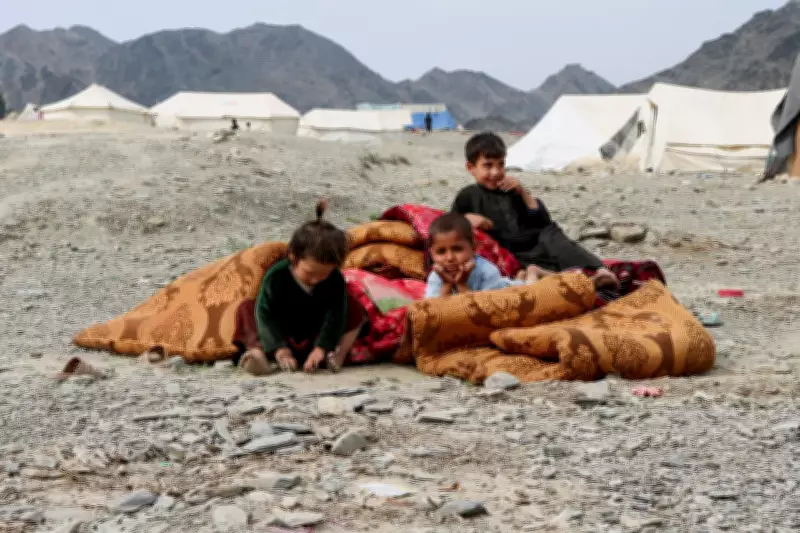
As a direct consequence of these transportation disruptions, humanitarian aid intended for at least 410,000 children and their families in Sudan, Afghanistan, and Yemen has been either significantly delayed or completely stranded.
In Sudan, a critical shipment of medical supplies remains stuck in Dubai due to restricted access through the Strait of Hormuz. This situation places more than ninety primary healthcare facilities at immediate risk of exhausting their supplies of essential medicines.
The stranded medical supplies include vital antibiotics, antimalarial medications, deworming treatments, and drugs for managing pain and fever. Save the Children is currently exploring alternative transportation routes, including potentially moving supplies by road through Saudi Arabia to Jeddah before shipping them onward to Port Sudan, though this alternative approach could substantially increase operational costs.
Nutrition and Medical Programs Face Critical Shortages
In Afghanistan, nutrition supplies specifically intended for 5,000 vulnerable children and 1,400 pregnant or breastfeeding women have been directly affected by the conflict. Originally scheduled for shipment through Iran, these essential supplies may now require emergency airlifting at a projected cost exceeding $240,000, which remarkably exceeds the actual value of the humanitarian aid itself.
In Yemen, medicines designated for approximately 5,000 children remain stranded in Dubai. Current plans to transport these supplies by road are expected to potentially double the logistics costs, further straining limited humanitarian resources.
Global Ripple Effects and Urgent Calls for Action
Save the Children has issued a stark warning that the escalating Middle East conflict is generating grave ripple effects that extend far beyond the immediate region. The organization has made an urgent appeal to all parties involved in the conflict to ensure safe passage for humanitarian aid shipments.
The NGO emphasized that immediate measures are critically needed to guarantee that food, medicine, and other essential supplies can move freely across borders. They further warned that any additional escalation of the conflict could dramatically worsen already critical humanitarian crises affecting vulnerable populations around the world.




