
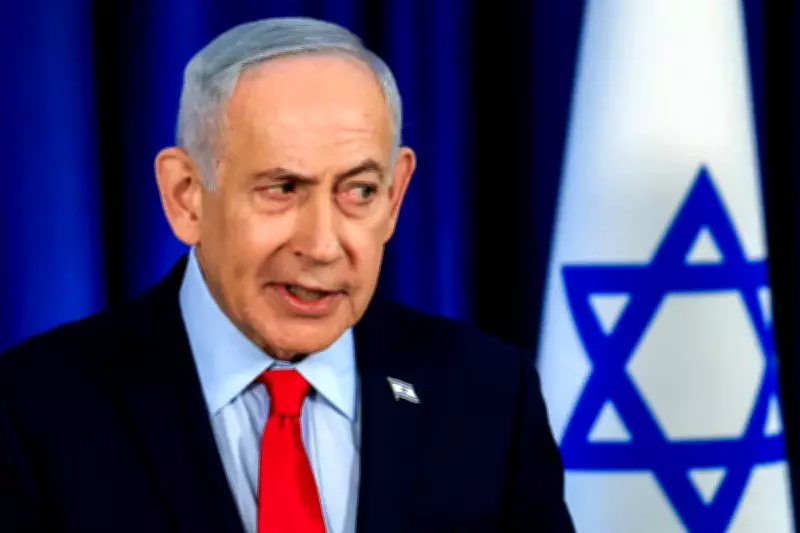
Netanyahu Declares Iran 'Decimated' Amid Escalating Gulf Energy Attacks
Israeli Prime Minister Benjamin Netanyahu stated on Thursday, March 19, that Iran is being "decimated" and suggested uncertainty over who is currently in charge of the nation. This declaration comes as Tehran has intensified its assaults on critical oil and gas facilities across the Gulf region, sending shockwaves through global financial markets and heightening geopolitical tensions.
Claims of Iranian Military and Nuclear Weakening
Speaking at a press conference, Netanyahu emphasized that after nearly three weeks of conflict involving Israel and the United States, Iran no longer possesses the capability to enrich uranium or manufacture ballistic missiles. He highlighted the close cooperation with U.S. President Donald Trump, proclaiming, "We are winning and Iran is being decimated." Netanyahu added that the war might conclude sooner than anticipated, though he refrained from providing a specific timeline for its end.
Internal Instability and Leadership Cracks in Iran
The Israeli leader further pointed to signs of internal instability within Iran's command structure, specifically mentioning Mojtaba Khamenei. Netanyahu implied that there are significant fractures and divisions emerging among the country's top leadership, which could be contributing to the perceived decimation of Iran's strategic capacities.
Rising Casualties in Lebanon and International Concerns
As the conflict escalates, Lebanon has experienced a sharp increase in casualties, with reports indicating over 1,000 people killed in Israeli airstrikes targeting southern and eastern regions, including parts of Beirut. In response to the growing violence, the European Union has issued a call for an immediate halt to strikes on essential infrastructure such as energy and water facilities. The EU also warned against the potential for uncontrolled migration into member states as a consequence of the ongoing turmoil.
Global Energy Markets in Turmoil
The global energy sector has been severely disrupted by Iran's retaliatory attacks on key petroleum facilities throughout the Gulf. Notable incidents include:
- Missile strikes hitting Qatar's Ras Laffan gas complex, following an Israeli attack on Iran's South Pars gas field.
- Additional assaults reported in Saudi Arabia and Kuwait, further exacerbating the instability.
These events triggered a sharp surge in oil prices, with Brent crude experiencing significant volatility—initially rising before easing slightly. European gas prices also saw substantial jumps amid fears of prolonged supply disruptions and escalating conflict in the region.
Iran's Threats of Further Escalation
Iran has issued stern warnings of further escalation, vowing the "complete destruction" of Gulf energy infrastructure if attacks on its facilities continue. Foreign Minister Abbas Araghchi emphasized that there would be "zero restraint" if Iranian targets are hit again, signaling a readiness for intensified retaliation that could deepen the crisis.
U.S. Involvement and Trump's Stance
Meanwhile, U.S. President Donald Trump addressed the situation, stating that there is no predetermined timeline for ending the conflict. He reiterated that while the United States is actively involved in the war, the final decisions regarding when to conclude hostilities would ultimately rest with him, underscoring the complex dynamics of international involvement in the escalating Middle Eastern conflict.




