
Nigeria's 4-D Foreign Policy: A Comprehensive Review of 2025 Achievements
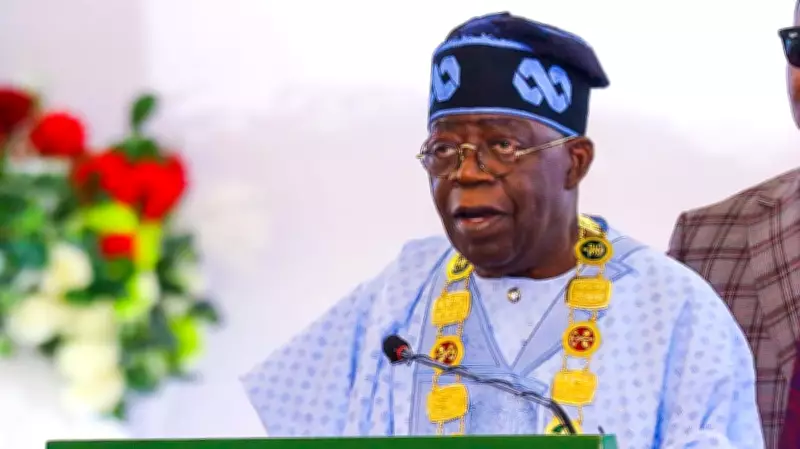
In the evolving landscape of global politics, Nigeria has embarked on a transformative foreign policy journey under President Bola Tinubu, anchored by the 4-D doctrine: Democracy, Development, Demography, and Diaspora. This strategic framework, infused with modern realism and institutional discipline, marks a significant shift from Afro-centric idealism to pragmatic realism, aiming to secure tangible dividends from international relations. The year 2025 witnessed a recalibration of Nigeria's diplomatic efforts, integrating domestic renewal with external projection to enhance the nation's strategic autonomy and influence.
Strategic Milestones and Global Engagements
The 4-D foreign policy has yielded substantial achievements, positioning Nigeria as a key player on the continental and global stages. Notably, President Tinubu's re-election as ECOWAS Chair facilitated the pivotal re-enactment treaty signing at the ECOWAS golden jubilee summit in Lagos, reinforcing regional integration. Nigeria retained its seat on the AU Peace and Security Council, with Ambassador Bankole Adeoye re-elected as AU Commissioner for Political Affairs, Peace, and Security. Additionally, Nigeria achieved partner membership in BRICS and continued invitations to G20 summits, bolstering its international standing.
Economic diplomacy under the 4-D strategy has driven significant investment inflows. Nigeria secured $14 billion in commitments from India, E250 million from the Netherlands, and a $2.5 billion investment from Brazil's JBS, along with six new factories. The Gulf of Guinea Gas Pipeline agreement with Equatorial Guinea and Nigeria's co-chair role in Germany's Green Guarantee Group highlight advancements in energy and green finance. Furthermore, the African Central Bank and Africa Energy Bank will be headquartered in Nigeria, enhancing continental financial sovereignty.
Regional Leadership and Diplomatic Initiatives
Nigeria has demonstrated unwavering commitment to regional stability and democratic norms. As ECOWAS Chair, the government prioritized democracy and good governance, standing against tyranny and supporting constitutional transitions. The inaugural West Africa Economic Summit (WAES) in Abuja, themed "Unlocking Trade and Investment Opportunities in the Region," aimed to harmonize trade policies and mobilize resources for infrastructure, fostering inclusive growth across West Africa.
Diplomatic engagements extended globally, with President Tinubu undertaking high-level trips to 10 countries in 2025. Key visits included the Abu Dhabi Sustainability Week, where he emphasized climate resilience for Africa, and the Africa Heads of State Energy Summit in Tanzania, supporting "Mission 300" for electricity access. His participation in the BRICS Summit in Brazil and TICAD9 in Japan underscored Nigeria's role in advocating for equity in global governance and sustainable development.
Security, Autonomy, and Future Directions
Nigeria's foreign policy has also addressed security challenges and strategic autonomy. The Sealift Agreement with the AU enables Nigerian naval support for peacekeeping missions, while efforts secured the release of detained Nigerians abroad and evacuated students from conflict zones. Notably, Nigeria resisted pressure from the U.S. to accept Venezuelan deportees, showcasing its strategic independence. Despite the U.S. re-designation of Nigeria as a "Country of Particular Concern," defense ties were strengthened, exemplified by coordinated airstrikes on terrorists in Sokoto state.
In conclusion, Nigeria's 4-D foreign policy under President Tinubu represents a blend of continuity and transformation. It preserves the moral core of justice and African solidarity while driving results-oriented engagement in a multipolar world. As Nigeria navigates global shifts, it emerges as a beacon of responsible leadership, poised to shape Africa's future through strategic cooperation and resilient diplomacy.
Igwe Kelechi Njoku is a Research Fellow at the Nigerian Institute of International Affairs (NIIA), specializing in security and strategic studies.




