
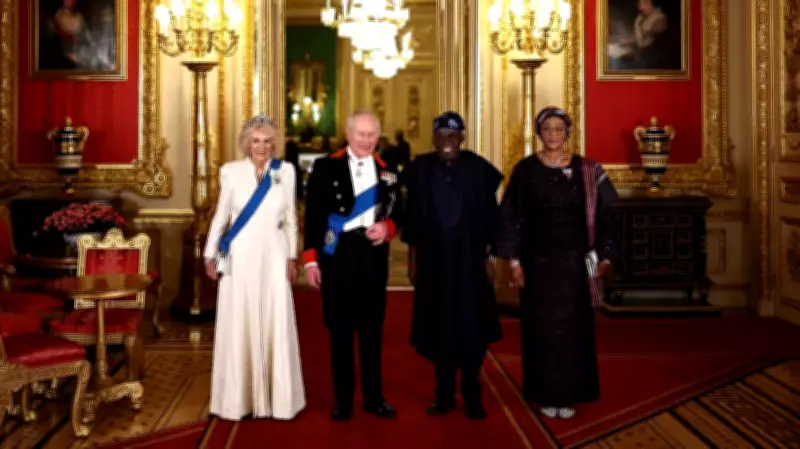
Tinubu and King Charles Foster Interfaith Dialogue to Enhance UK-Nigeria Relations
In a significant diplomatic effort, President Bola Ahmed Tinubu and King Charles III convened an interfaith dialogue in London to address the escalating religious violence in Nigeria. This meeting, held at Vicars' Hall in Windsor, brought together national and international faith-based organizations to seek solutions to the crisis, which has drawn global attention due to allegations of Christian persecution.
Historic State Visit Marks First in 37 Years
The dialogue occurred during President Tinubu's state visit to the United Kingdom, the first such visit by a Nigerian leader in 37 years. Accompanied by First Lady Oluremi Tinubu, the president was received by senior members of the British royal family, including Queen Camilla and the Prince and Princess of Wales. The visit aimed to transform long-standing bilateral ties into a modern economic alliance, with a focus on areas such as immigration, security, education, healthcare, and cultural exchanges.
At a state banquet at Windsor Castle, President Tinubu highlighted the vital contributions of the Nigerian diaspora in the UK, particularly in the National Health Service, where Nigerian-trained doctors and nurses play crucial roles. He acknowledged Nigeria's challenges with terrorism rooted in the Sahel region and emphasized the importance of partnership with the UK to safeguard regional stability. Tinubu expressed optimism about Nigeria's future, describing the nation as diverse, vibrant, and full of young dreamers and global entrepreneurs.
Economic Partnerships and Investment Deals
The visit yielded substantial economic agreements, including a £746 million deal to revamp the Lagos port in Apapa and Tincan Island. Ahead of the trip, the British Commission in Lagos announced finalized investment pacts expected to generate hundreds of new jobs, with fintechs, banks, and creative industries planning to expand operations across Britain. Nigeria's Minister of Education, Tunji Alausa, also disclosed progress on a partnership with Coventry University to establish a Nigerian campus in Alaro City, Lagos, offering UK-accredited degrees at lower costs to strengthen human capital.
Human Rights Concerns Raised by Advocacy Groups
Amid the diplomatic engagements, the Socio-Economic Rights and Accountability Project (SERAP) urged King Charles III to address human rights violations in Nigeria during the visit. In an open letter, SERAP called for the withdrawal of Strategic Lawsuits Against Public Participation (SLAPP) against journalists, activists, and civil society organizations, citing concerns over the use of repressive laws like the Cybercrimes Act. The organization also highlighted issues with internally displaced persons in northern Nigeria, urging respect for Commonwealth values of human rights, democracy, and the rule of law.
Criticism and Cultural Exchanges
President Tinubu's large delegation, which included governors from Lagos, Katsina, Zamfara, Enugu, Akwa Ibom, and Plateau states, as well as federal officials, faced criticism for potentially draining public resources. Concerns were amplified by reports of bandit attacks in Katsina State during the governor's absence. However, supporters argued the visit could yield long-term economic benefits.
The visit featured cultural exchanges, with the Nigerian delegation viewing items from the Royal Collection, including a Yoruba throne and works by Nigerian writer Sir Ben Okri. In a respectful gesture, King Charles adjusted the schedule to accommodate President Tinubu's Ramadan fasting, dropping a formal lunch in favor of an evening state banquet. This marked the first state visit by a Muslim Nigerian president in nearly a century, with historical parallels to King Amanullah Khan of Afghanistan's visit in 1928.
Overall, the interfaith dialogue and state visit underscored efforts to deepen UK-Nigeria ties while addressing pressing issues of religious violence, economic collaboration, and human rights.




