
President Tinubu's UK State Visit Delivers Major Diplomatic and Economic Wins for Nigeria
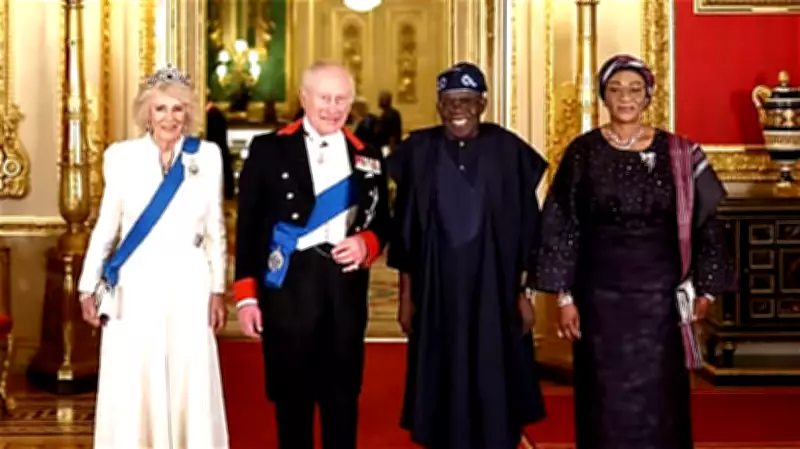
Nigeria has reasserted its global significance following the successful state visit by President Bola Tinubu to the United Kingdom, which concluded on March 19, 2026. The visit, marked by high-profile engagements with King Charles III, Queen Camilla, and Prime Minister Keir Starmer, has been hailed as a masterpiece of diplomacy, yielding tangible benefits across critical sectors of the Nigerian economy.
Key Achievements from the State Visit
The visit culminated in the signing of several bilateral agreements designed to enhance Nigeria's infrastructure, trade, security, and education systems. These agreements underscore Nigeria's strategic partnership with the UK and its commitment to fostering economic growth and stability.
Port Modernization and Infrastructure Funding
One of the most significant outcomes is the £746 million financing secured through UK Export Finance, coordinated by Citibank, for the modernization of the Apapa and Tincan Island ports in Lagos. Signed by Minister of Finance Wale Edun, this deal aims to expand port infrastructure, automate operations, double capacity, reduce congestion, and improve trade facilitation. The ports, which handle over 70% of Nigeria's maritime activities, have not seen major refurbishment since their establishment in 1913 and 1977, respectively. This investment is expected to boost job creation and enhance Nigeria's competitiveness as a maritime hub in West and Central Africa.
Expanding Trade Opportunities
During bilateral meetings, President Tinubu and Prime Minister Starmer agreed to deepen trade relations, with Nigeria leveraging the UK's Developing Countries Trading Scheme (DCTS). This initiative grants duty-free and reduced-tariff access for over 3,000 Nigerian products, including cocoa, cashew nuts, and textiles, into the UK market. With annual trade exceeding £8 billion, this scheme is poised to increase Nigeria's foreign exchange earnings from the non-oil sector and support small and medium-scale businesses.
Security and Defence Cooperation
Addressing Nigeria's mounting security challenges, such as terrorism and banditry, President Tinubu secured enhanced support from the UK for military hardware, logistical aid, training, and intelligence sharing. A memorandum of understanding was signed between Nigeria's Minister of Defence, General Christopher Musa (Rtd), and his British counterpart, Vernon Coaker, to operationalize defence cooperation. This move highlights the administration's commitment to ending insecurity through both internal and external solutions.
Agricultural Investment and Dairy Development
A £500 million deal was signed between the Nigeria Sovereign Investment Authority (NSIA) and UK-based Asset Green Limited for the development of a large-scale integrated dairy production and processing factory. This initiative, executed by Minister Jumoke Oduwole and NSIA CEO Aminu Umar-Sadiq, will involve 20,000 hectares of climate-smart pasture and a dairy farm with 10,000 milking cows, aiming to transform Nigeria's dairy value chain and produce up to 15,000 metric tonnes of infant formula annually.
Education and Human Capital Development
In a move to enhance educational access, Nigeria partnered with Coventry University to establish a campus in Alaro City, Lagos, offering bachelor's and master's programmes in STEMM, business, and TVET fields. Signed by Minister of Education Tunji Alausa, this initiative will provide Nigerian students with UK-standard education locally, conserving foreign exchange. Additionally, Lagos State signed an MoU with Estar to integrate digital learning platforms into public schools, empowering students with skills in critical thinking, AI, and leadership.
Youth Empowerment and Creative Economy
A private-sector-led partnership between the King's Trust and Access Bank was established to equip young Africans with skills for employment and entrepreneurship. In the creative sector, Minister Hannatu Musawa engaged in a Creative Industries Roundtable with UK officials to foster collaboration in music, film, and technology, focusing on skills development and access to finance.
Migration and Infrastructure Investment
An agreement on migration was signed by Nigeria's Minister of Interior, Olubunmi Ojo, and UK Home Secretary Shabana Mahmood to regulate safe migration flows and combat irregular migration. Furthermore, Nigeria hosted an Infrastructure Investment Forum in London, pitching opportunities in renewable energy, oil and gas, and transportation to global investors, with Enugu State Governor Peter Mbah highlighting projects in tourism, power, and agriculture.
Cultural Showcase and Soft Power
The visit concluded with President Tinubu attending the 'Nigeria Modernism' art exhibition at Tate Modern, alongside UK Deputy Prime Minister David Lammy, showcasing Nigeria's cultural assets and soft power on the global stage.
Overall Impact and Global Standing
Foreign policy experts have praised the visit as a significant boost to Nigeria's global profile, reinforcing the country's potential as the giant of Africa amidst ongoing economic reforms. The agreements signed are expected to drive innovation, productivity, and long-term growth, solidifying Nigeria's position in international diplomacy.




