
Trump Considers US Withdrawal from NATO Following Iran Conflict Dispute
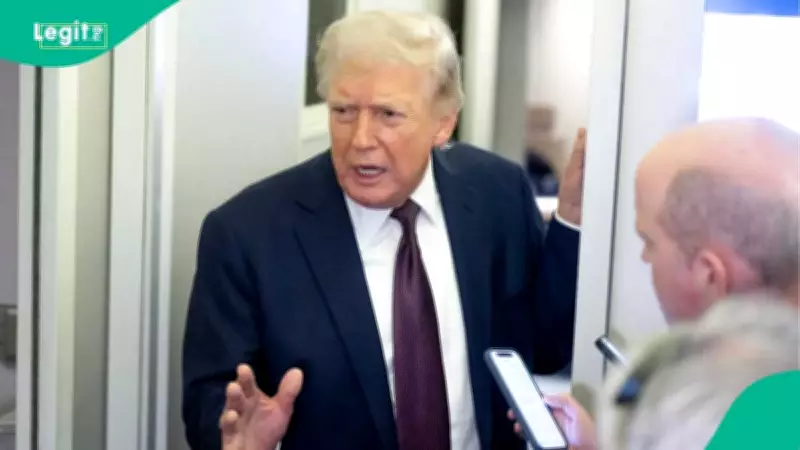
United States President Donald Trump has revealed that he is actively considering removing America from the North Atlantic Treaty Organization (NATO). This dramatic announcement comes in response to what he describes as the alliance's failure to support US military operations against Iran in the Middle East.
Paper Tiger Alliance: Trump's Scathing Assessment
In a recent interview with the Daily Telegraph, President Trump delivered a blistering critique of NATO, characterizing the decades-old defense alliance as a "paper tiger." The US leader emphasized that withdrawing the country from NATO is now "beyond reconsideration" given the current circumstances.
"I was never swayed by NATO," Trump stated during the interview. "I always knew they were a paper tiger, and Putin knows that too, by the way."
The president's comments reference the ongoing conflict with Iran, during which he claims NATO member nations refused to provide military support to American forces. This perceived abandonment has prompted the most serious discussion of US withdrawal from the alliance in its seventy-five-year history.
Rubio Reinforces Trump's Position on NATO Funding
Secretary of State Marco Rubio has publicly supported President Trump's position, highlighting what he describes as disproportionate financial contributions from the United States. Rubio asserted that America funds NATO with billions of dollars to maintain military bases across European nations, yet receives inadequate support in return during critical moments.
"The US spends trillions of dollars to fund NATO, and it cannot rise to fulfil its mandate when we need them most," Rubio explained during a White House press conference alongside President Trump on March 26.
Rubio further elaborated on longstanding grievances against Iran, claiming the nation has been responsible for killing Americans worldwide for forty-seven years. He credited President Trump with taking a firmer stance against Iran than previous administrations.
American Public Reacts to NATO Withdrawal Threat
The potential US withdrawal from NATO has sparked intense debate among American citizens, with social media platforms buzzing with conflicting opinions:
- George Banks questioned the strategic consistency of Trump's position: "'We've already won' followed immediately by 'everyone else needs to step up.' A strategic contradiction. If the battlefield has truly been settled, then why the pressure campaign on allies?"
- Wonky challenged Rubio's financial claims: "'Sending trillions of dollars' is simply a flat lie from Rubio. The US has a total defence budget of $961 Billion, with approximately $50 Billion spent on operations in NATO countries."
- Angelica Wolf expressed frustration with international relations: "Because the entire world has been taking advantage of the US. And the American people are tired of it."
- Mr Peckerwood offered a different perspective: "NATO isn't a resource to be tapped every time you want to go to war with someone. No NATO nation was attacked by Iran. You attacked first & wonder why nobody helped you."
Historical Context and Future Implications
The potential US withdrawal from NATO represents a seismic shift in global security arrangements that have remained largely unchanged since the Cold War era. NATO, founded in 1949, has served as the cornerstone of transatlantic security cooperation, with Article 5's collective defense provision being invoked only once following the September 11 attacks.
President Trump's threat comes amid heightened tensions with Iran, though specific details about the military operations that prompted NATO's alleged non-support remain unclear from available reports. The administration's position suggests a fundamental reevaluation of America's role in international defense alliances.
As discussions continue, global observers are closely monitoring whether this represents negotiating posturing or a genuine intent to dismantle one of the world's most significant military partnerships. The implications for European security, global power dynamics, and future conflict resolution frameworks could be profound should the United States follow through on this unprecedented threat.




