
During a significant congressional hearing on Wednesday, United States lawmakers scrutinized global threats to religious freedom, with Nigeria emerging as a central point of discussion. The session, organized by the House Foreign Affairs Subcommittee on Africa, delved into persistent allegations of persecution targeting Christians in Nigeria, accusations that Nigerian authorities have repeatedly dismissed over the years.
Stark Accusations from US Congressman
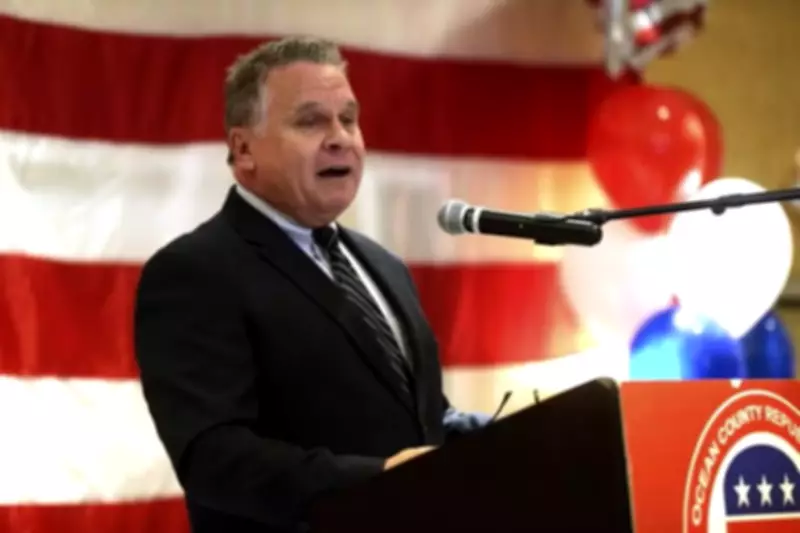
Congressman Chris Smith, who chairs the subcommittee, initiated the proceedings with forceful remarks. He referenced the organization Genocide Watch, characterizing Nigeria as "a killing field of defenceless Christians." Smith expressed approval of the recent decision by the U.S. State Department to redesignate Nigeria as a Country of Particular Concern (CPC), a move he described as correcting a previous oversight in foreign policy. "That wrong in our foreign policy has been righted with the President's CPC designation. We commend and thank him for that action," he stated.
Criticism of Nigerian Lobbying Efforts
While acknowledging that Nigeria has implemented "small steps" to enhance conditions, Smith directed sharp criticism at recent lobbying activities by Nigerian entities aimed at shaping U.S. policy. He highlighted specific contracts, including a reported $9 million agreement between Nigeria and the lobbying firm DCI Group, as well as a separate $120,000-per-month contract involving a Nigerian security executive and the firm Valcour Global.
Smith argued that these efforts involve "very well-written talking points to say nothing to see here," suggesting they exemplify "a culture of denial by Nigerian officials persists." This phrase underscores his allegation that Nigerian officials consistently reject claims of religious persecution despite evidence presented.
Debate Over US Policy Effectiveness
The hearing also featured debates regarding the efficacy of U.S. policies toward Nigeria. Congressman Joaquin Castro raised questions about the impact of U.S. military strikes in Nigeria during the previous administration. He accused that administration of using the "front of 'protecting Christians'" while simultaneously "cutting assistance that would actually address discrimination against religious communities."
Implications of CPC Designation
Lawmakers further explored the practical consequences of Nigeria's CPC status. Some participants characterized it as primarily a symbolic "name and shame" measure, designed to draw attention to human rights issues. Others contended that maintaining this designation helps sustain critical focus on the situation in Nigeria, ensuring it remains a priority in international discourse.
This hearing highlights ongoing tensions between U.S. legislative concerns and Nigerian governmental responses, with allegations of denial and lobbying efforts at the forefront of the discussion.




