Nigeria’s Minister of State for Petroleum Resources (Oil), Heineken Lokpobiri, has clarified that the operation of the Dangote refinery does not automatically lead to cheaper petrol for Nigerians, attributing price levels to global market dynamics rather than domestic refining capacity alone.
Global Market Forces Determine Fuel Prices
During an appearance on Channels Television’s Politics Today programme on Tuesday, September 22, 2026, Lokpobiri explained that crude oil and refined petroleum products are traded internationally, meaning external developments directly influence domestic pump prices. He stated: “So the fact that Dangote refinery is here doesn’t mean that the fuel price will be lower, because Dangote refinery is available.”
The minister pointed to the United States, which possesses one of the largest refining capacities globally, yet still experiences relatively high petrol prices. He argued that fluctuations in international energy markets affect consumers across different regions, including the US and Europe.
Middle East Crisis Pushing Up Energy Prices
Lokpobiri linked the recent increase in petrol and other energy prices to developments in the Middle East, warning that prices may remain elevated as global market pressures persist. “It’s expected that energy prices may not come down. You should also know that oil and gas is a global commodity,” he said. “What is sold in New York is what is also sold here.”
He added that energy prices are uniform worldwide regardless of location. “No matter what you may think, America or Saudi Arabia or anywhere in the world, energy prices will always be the same,” he said. The minister also noted that consumers in other countries are facing similar purchasing power pressures: “If you go to the US, the purchasing capacity of Americans is also affected. If you go to Europe, the purchasing capacity of Europeans is also affected.”
Lokpobiri Defends Petrol Deregulation
The minister defended Nigeria’s downstream petroleum deregulation policy, arguing it was essential for the survival and growth of private-sector investments such as the Dangote refinery. According to Lokpobiri, the refinery would have struggled to compete if the government had continued importing petrol and selling it below market prices.
“I also want to emphasize that but for the policy of deregulation, Dangote refinery wouldn’t have been the most attractive IPO in the continent,” he said. “If government was continuously importing as NNPC was doing, and selling at a lower price than the market price, Dangote wouldn’t have been able to survive.”
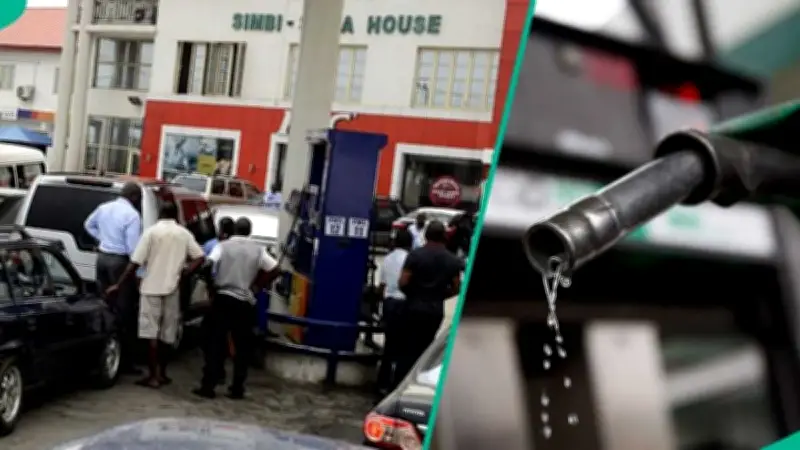
He said deregulation had created a new economic environment in Nigeria’s downstream oil sector while opening opportunities for private investment. The comments come as Nigerians continue to grapple with rising petrol prices, with pump prices reaching as high as N1,500 per litre in some locations.