Pastor David Ibiyeomie Claims Divine Intervention in Wike's Political Victories
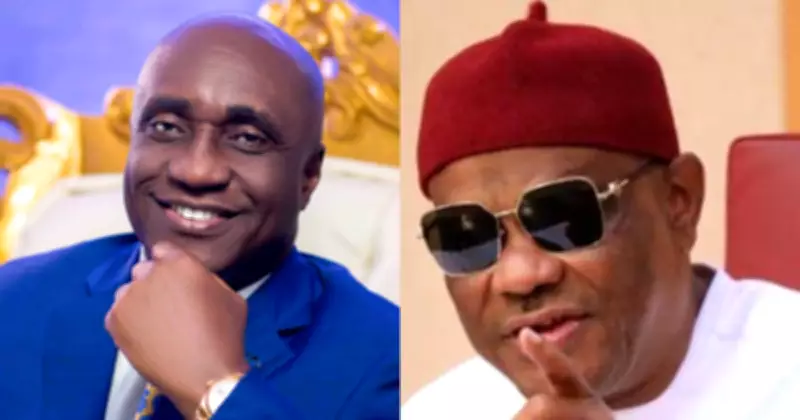
In a sermon that has ignited widespread debate across Nigeria, Pastor David Ibiyeomie, the General Overseer of Salvation Ministries in Port Harcourt, has made extraordinary claims about his role in the political career of Nyesom Wike, the current Minister of the Federal Capital Territory and former Governor of Rivers State. Ibiyeomie asserts that through prayer and spiritual intervention, he reversed a Supreme Court judgment against Wike and later secured his second term as governor.
The Supreme Court Reversal Claim
According to Ibiyeomie's detailed account during a church service, Wike faced significant legal challenges during his first term, having lost cases at both the High Court and Court of Appeal levels. With a Supreme Court judgment scheduled for Saturday, Ibiyeomie claims he intervened during a five-night church program that concluded on Friday.
"Judgement was Saturday, five nights of glory was Friday. I looked at him and said even if judgment was against you, I command it turned," the pastor declared. He maintains that following this spiritual declaration, the Chief Judge intervened, resulting in the Supreme Court ruling being changed in Wike's favor. "He said, 'papa I knew this was God,'" Ibiyeomie added, quoting Wike's alleged response to the outcome.
The Election Intervention and Millions Covenant
The pastor's claims extend beyond the courtroom to the political arena. Ibiyeomie says Wike contacted him in a state of panic during his re-election campaign, convinced he would lose. The pastor again counseled him to trust in divine intervention.
What has generated particular controversy is Ibiyeomie's revelation about financial aspects of his spiritual intervention. "I covenanted with God; I gave millions on behalf of Wike, I didn't tell him," he stated, describing this as a personal act of faith rather than direct financial support for the politician. Within Pentecostal practice, such "covenant" or seed offerings are recognized spiritual exercises.
Ibiyeomie further claims that on election day, as results were allegedly being altered against Wike, an unexpected intervention occurred. "They've finished the result, and on the spot, something happened. The high commissioner stepped in, and they couldn't change the result. That's how he became governor the second time."
Public Reaction and Political Context
The online response to Ibiyeomie's claims has been intense and polarized. Many Nigerians have expressed concern about the relationship between religious leaders and political power, particularly in light of Wike's controversial political history. As FCT Minister, Wike has overseen extensive demolitions, navigated complex political alliances including working against his own party in the 2023 presidential election, and maintained a public feud with his successor in Rivers State, Governor Siminalayi Fubara.
Social media commentary reflects deep divisions in how Nigerians interpret Ibiyeomie's statements:
- Critics view the claims as evidence of inappropriate entanglement between religion and politics
- Supporters see them as legitimate testimonies of divine intervention
- Observers question the implications of a pastor openly discussing financial covenants in political contexts
The controversy has reignited longstanding debates about the role of religious leaders in Nigerian politics and the boundaries between spiritual guidance and political intervention. Whether interpreted as faith testimony or political commentary, Ibiyeomie's sermon has highlighted the complex intersection of religion, power, and governance in contemporary Nigeria.