Senegal Enacts Harsher Penalties for Same-Sex Relations
In a significant legislative move, Senegal's National Assembly overwhelmingly approved a bill on Wednesday that doubles the maximum prison sentence for same-sex sexual acts to ten years. The new law also criminalizes any efforts to promote homosexuality, marking a stricter stance on LGBTQ+ issues in the West African nation.
Overwhelming Support and Government Promise
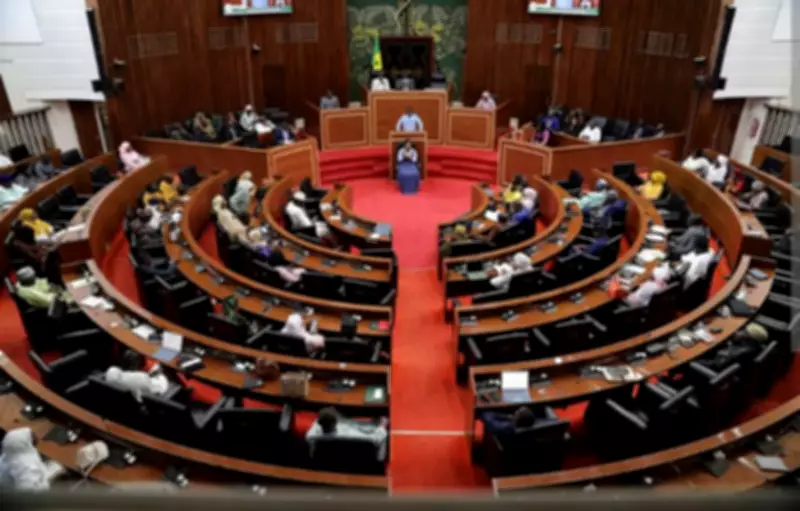
The bill passed with 135 votes in favor, zero against, and three abstentions, reflecting broad parliamentary backing. This legislation fulfills a key campaign promise of the government that came to power in 2024, led by President Bassirou Diomaye Faye and Prime Minister Ousmane Sonko. It now awaits President Faye's signature to become law.
Senegal's existing penal code, last amended in 1966, already imposed penalties of up to five years in prison and fines of up to 1,500,000 CFA francs (approximately $2,700) for "acts against nature." The new version not only doubles the maximum prison term but also increases fines to as much as 10 million CFA francs.
Strict Sentencing and Broad Definitions
The new law mandates that judges cannot grant suspended sentences or use discretion to reduce prison terms below the minimum. It explicitly defines "acts against nature" to include homosexuality, bisexuality, transsexuality, zoophilia, and necrophilia. Additionally, individuals found guilty of promoting or financing such acts will also face prison time.
Imam Babacar Sylla, leader of And Samm Jikko Yi, a network of Islamic and civil society organizations, urged President Faye to sign the bill promptly. "The longer it takes, the more complicated it will be. And these people, whom I consider a public danger, will continue to escape," he stated.
Public Demonstrations and Increased Arrests
In the weeks leading up to the vote, supporters of the bill, including lawmakers from the ruling Pastef party, organized demonstrations in Dakar. Participants chanted "No to homosexuality!" and displayed signs with crossed-out rainbows. This period has also seen a surge in arrests of men suspected of "acts against nature" and, in some cases, "voluntary transmission" of HIV, a crime punishable by up to ten years in prison.
According to the International Federation for Human Rights, approximately 27 men were arrested between February 9 and 24. This crackdown highlights the intensified enforcement of anti-LGBTQ+ laws in Senegal.
Regional Context and Comparisons
Senegal's move aligns with a broader trend in West Africa. Last year, Burkina Faso passed a law criminalizing same-sex sexual relations for the first time, imposing prison terms of up to five years. Meanwhile, lawmakers in Ghana are considering increasing the maximum penalty for same-sex acts from three to five years and introducing jail time for promoting LGBTQ+ activities.
The passage of this bill underscores Senegal's firm stance on traditional values and its alignment with regional efforts to curb LGBTQ+ rights. As the law awaits presidential approval, it signals a challenging environment for LGBTQ+ individuals and activists in the country.