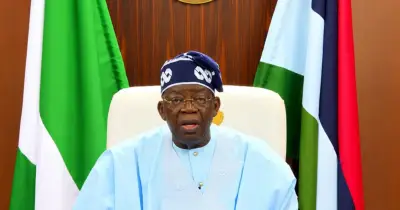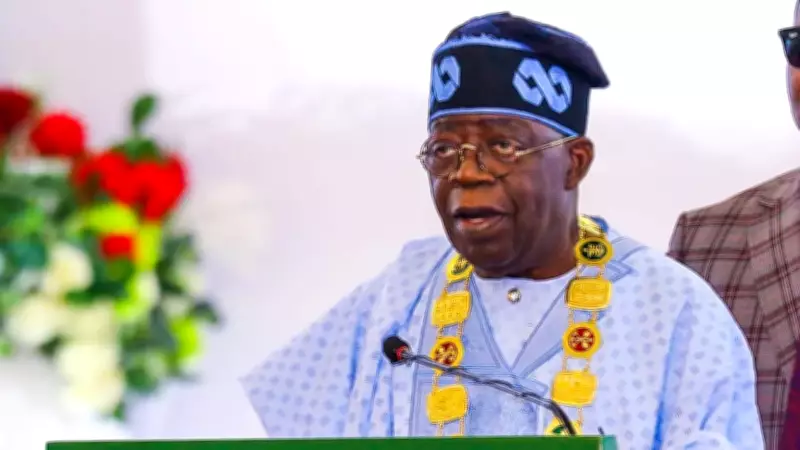
The Presidency has defended President Bola Ahmed Tinubu's economic reforms, asserting that they rescued Nigeria from imminent fiscal collapse and set the nation on a sustainable growth trajectory. In a statement on Thursday, Special Adviser to the President on Information and Strategy, Mr. Bayo Onanuga, highlighted the administration's achievements over three years, despite criticism and opposition.
Reforms and Their Impact
Onanuga explained that President Tinubu "took the bullets" necessary to stabilize the economy and restore governance confidence. He noted that the administration inherited a troubled economy in May 2023, marked by fuel scarcity, unsustainable subsidies, multiple exchange rates, and high debt-service obligations. Many states struggled to pay salaries and pensions before reforms increased allocations to subnational governments.
"States that were unable to pay salaries by May 2023, with months of unpaid obligations, are now doing so with ease and embarking on major infrastructure projects," Onanuga said. He attributed this to the removal of fuel subsidy, exchange rate reforms, and restructuring of federation finances. Governors across party lines have acknowledged the positive impact of increased allocations on development projects.
The presidential aide commended Tinubu's swift actions upon taking office, including removing fuel subsidy and liberalizing the foreign exchange market—bold decisions previous administrations avoided. Although these reforms initially triggered inflation and economic hardship, the government remained committed to its long-term agenda.
"If not sure of the salience of his reforms, President Tinubu would have reversed the policies in the face of criticism. Instead, he persisted," Onanuga stated.
Economic Indicators and Infrastructure
Onanuga pointed to the Nigerian stock market's performance as evidence of reform gains. The All-Share Index rose from about 53,000 points in May 2023 to over 250,000 points, while market capitalization increased from N30 trillion to about N160 trillion. Improved investor confidence and renewed foreign investments were also cited.
Infrastructure projects like the Lagos-Calabar Coastal Highway and Sokoto-Badagry Super Highway were described as among the most ambitious since independence. The administration also invests heavily in rail transportation, including the Kaduna-Kano-Maradi rail line and new city rail systems in Lagos, Kaduna, Kano, and Enugu.
Oil, Gas, and Power Sector Reforms
In the oil and gas sector, reforms attracted fresh investments and improved energy security through domestic refining and the naira-for-crude policy. On power, the government addressed structural constraints limiting electricity distribution, strengthened the national grid, supported metering programs, and settled legacy debts. Over 2.5 million electricity meters have been distributed under the metering initiative.
Social Interventions and Security
Social programs like the Nigerian Education Loan Fund (NELFUND) and CREDICORP expanded access to tertiary education and consumer credit. About 1.6 million students benefited from NELFUND, and disruptions in public tertiary institutions reduced through engagement with university unions.
On insecurity, Onanuga acknowledged challenges but said the government intensifies efforts to combat terrorism, banditry, and kidnapping. Armed forces and security agencies receive increased support and equipment. "With support from friendly countries such as the United States, France, and the United Kingdom, there is hope that the menace of kidnappers and terrorists will become history," he said.
Onanuga concluded that history will remember the Tinubu administration for undertaking difficult reforms and major infrastructure projects aimed at repositioning Nigeria's economy for long-term prosperity.