
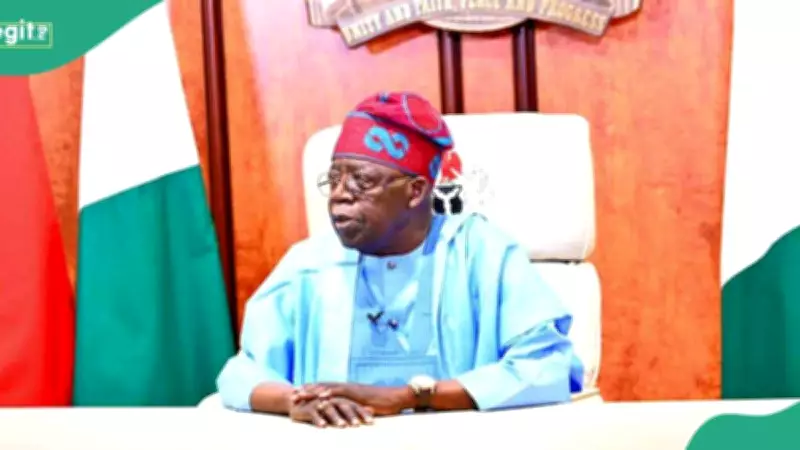
Presidential aide Bayo Onanuga has defended the administration of President Bola Ahmed Tinubu, saying the Nigerian leader “took the bullets” to stop the country from collapsing financially after taking office in 2023. In a lengthy post shared on X on Friday, May 29, Onanuga, who serves as Tinubu’s Special Adviser on Information and Strategy, made these remarks amid growing political attacks ahead of the 2027 general election. The article, titled “Bola Tinubu: the man who took the bullet for Nigeria to survive,” accused opposition politicians of spreading “misinformation and calumny” against the government despite what he described as major economic and infrastructure achievements.
Economic Reforms and Achievements
Onanuga argued that President Tinubu inherited a troubled economy marked by petrol scarcity, rising debt, multiple exchange rates, and subsidy problems. He claimed that debt servicing consumed 97 per cent of Federal revenue. The administration defended its decision to remove fuel subsidy and float the naira shortly after Tinubu assumed office. Onanuga admitted that the reforms caused hardship for many Nigerians during the first year, but insisted that the policies have now begun to produce results. He wrote, “Only the blind will fail to admit that this government has taken the country miles away from the state it inherited in 2023.” He dismissed criticisms that Nigerians are still struggling under the reforms, claiming opposition figures repeat hunger-related complaints “without any empirical proof.”
Stock Market and Infrastructure Growth
The presidency pointed to the performance of the Nigerian stock market as evidence of economic improvement. According to Onanuga, the All-Share Index rose from 53,000 points in May 2023 to 250,000, while market capitalisation increased from N30 trillion to N160 trillion. He further claimed that many state governments are now carrying out large infrastructure projects because of increased allocations from the federation account after Tinubu’s reforms. He said governors across different states, including opposition governors, have privately and publicly acknowledged the impact of the new financial structure. Onanuga also addressed criticism surrounding the Lagos-Calabar Coastal Highway and the Sokoto-Badagry road project, two of the administration’s biggest infrastructure plans. He described Tinubu as a “transformative leader” willing to take bold decisions that previous governments avoided because of cost concerns, and said “myopic critics” attacking the projects failed to understand that such roads could not be built without borrowing.
Power Supply and Security Challenges
The presidential aide also defended the government against attacks over electricity supply after critics resurfaced an old campaign video in which Tinubu promised better power supply. According to Onanuga, electricity distribution companies, not the federal government, are responsible for delivering power directly to homes and businesses. He stated, “What this government has done in the last three years has been to address the problems hindering the capacity of Discos to deliver.” He listed other programmes introduced by the administration, including the Nigerian Education Loan Fund (NELFUND) and CREDICORP, claiming that about 1.6 million students have benefited from student loans and support schemes. Despite strongly defending the administration, Onanuga admitted that insecurity remains a major challenge. He said terrorists and kidnappers still attack vulnerable communities even after military operations against armed groups. He expressed confidence that the situation would improve with support from countries such as the United States, France, and the United Kingdom, concluding, “The man who has taken the bullets to make Nigeria survive a fiscal disaster is even more willing to take additional bullets to make all Nigerians safe.”




