APC's National Convention: Unity or Controlled Consensus?
Emerging from its recent convention, the ruling All Progressives Congress (APC) faces growing scrutiny over its management of consensus arrangements and proposed automatic tickets for incumbents. These issues could significantly impact the party's internal cohesion and electoral prospects ahead of next year's general polls, as reported by Adamu Abuh.
The Surface Calm and Underlying Tensions
The 4th Elective National Convention of the APC, held at Eagle Square in Abuja, projected an image of unity, order, and organizational discipline to casual observers. However, beneath the carefully orchestrated proceedings, subtle discontent simmered among some participants. While the election of national officers proceeded without visible rancour, underlying tensions gradually surfaced, shaped by consensus deals and elite negotiations.
The push for automatic tickets, reminiscent of the Peoples Democratic Party (PDP) era, threatens to fundamentally reshape the ruling party's internal dynamics. From the near wholesale retention of the National Working Committee (NWC) to assertive demands by National Assembly leaders for automatic return tickets, signs of a larger challenge emerged. Governors may soon seek similar privileges, further entrenching incumbency power.
Consensus as a Tool of Control
Central to the convention's outcome was the adoption of a consensus arrangement that secured the return of virtually all NWC members. The re-election of National Chairman Nentawe Yilwatda and National Secretary Surajudeen Basiru underscored a deliberate strategy to preserve institutional memory and maintain alignment with President Bola Ahmed Tinubu's administration.
Party insiders revealed that weeks of consultations among governors, lawmakers, and key power brokers produced a "no-surprises" convention. Consensus served not merely as a unifying mechanism but also as an instrument of control, aimed at avoiding divisive contests that could expose internal fault lines during ongoing economic and political reforms.
The Contentious Push for Automatic Tickets
Led by Senate President Godswill Akpabio and Speaker Tajudeen Abbas, APC lawmakers strongly advocated for automatic return tickets for serving legislators. They argue that shielding lawmakers from party primaries would allow them to focus on legislation and sustain Tinubu's reform agenda. Abbas emphasized continuity, warning that high turnover in the legislature weakens institutional memory and disrupts progress.
However, critics within the party warn that automatic tickets undermine internal democracy by eroding competition and participation. Grassroots politicians and founding members, particularly "aborigines" who helped build the APC, feel sidelined by new defectors from opposition parties. In states like Delta, Akwa Ibom, and Rivers, defecting governors are perceived to receive preferential treatment, fueling quiet resentment and straining internal cohesion.
Broader Implications for Party Democracy
The automatic ticket debate raises critical questions about access and participation in the APC. Party primaries, despite imperfections, remain a key channel for emerging leaders to contest power. Extending automatic tickets risks closing this channel, potentially leading to defections, weakened renewal capacity, and legitimacy issues for unopposed candidates.
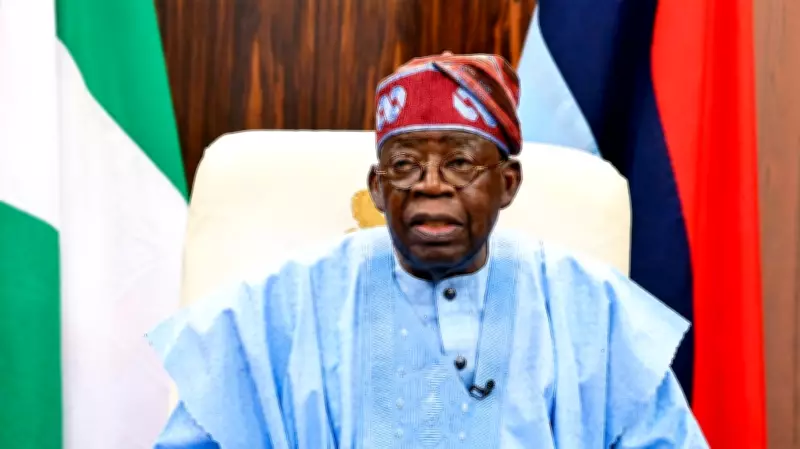
In his address, President Tinubu struck a unifying tone, emphasizing cohesion and discipline while reassuring Nigerians of the party's democratic commitment. He warned against internal discord and affirmed the importance of vibrant opposition in a democracy.
Reactions from Party Stakeholders
Founding member Chief Osita Okechukwu dismissed agitation for automatic tickets, predicting it will "fall flat" due to internal rivalries and zoning realities. He defended consensus as lawful and practical, noting that direct primaries would be unfeasible for over 20 million members. Conversely, Benue State APC chieftain Dominic Alancha criticized consensus and automatic tickets as undermining democratic principles, warning of a "boardroom democracy" that sidelines competent aspirants.
Chief Peter Ameh of the Coalition of United Political Parties (CUPP) cautioned that consensus must involve transparent consultations to avoid exclusion. He urged the APC to lead by example in deepening internal democracy through fairness and inclusivity, warning that opaque decisions could erode democratic values.
As the APC navigates these complex dynamics, the balance between continuity and competition will be crucial for its unity and success in the upcoming elections.