Pastor Tunde Bakare Discloses Intervention in Alamieyeseigha's Presidential Pardon
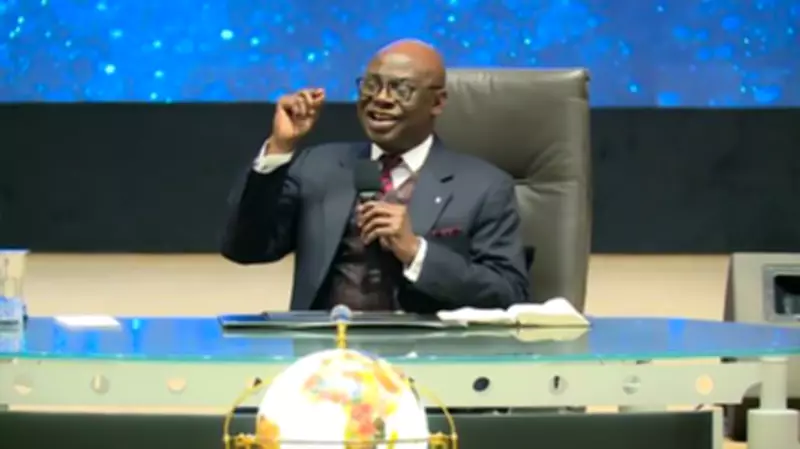
Founder of Citadel Global Community Church, Pastor Tunde Bakare, has publicly detailed his pivotal role in the decision that led to the presidential pardon granted to former Bayelsa State governor, Diepreye Alamieyeseigha. Bakare made these revelations during the second edition of the Citadel School of Governance Dialogue Series, held in Lagos under the theme "The Rough Road to Reforms: The Risks, the Resistance, the Reprisals, and the Resilient Leader."
Bakare's Meeting with Goodluck Jonathan
Bakare explained that he met with former President Goodluck Jonathan when Jonathan was serving as acting president, urging him to grant a pardon to Alamieyeseigha. According to Bakare, his intervention was prompted by unrest in Bayelsa State at the time, which he traced directly to the plight of the former governor. He noted that Alamieyeseigha had informed him that late President Umaru Musa Yar'Adua encouraged him to accept a plea bargain with a promise of eventual pardon.
"I told him, 'this man is like your father; he brought you into politics as deputy governor. He is in this situation, and this was the understanding with President Yar'Adua. Will you pardon him?' He said he could not do it immediately, but promised to act after the election," Bakare recounted.
He added that Jonathan fulfilled this promise after winning the election, though the decision attracted widespread public criticism. "When he granted the pardon, there was widespread outrage, but I chose not to comment at the time," Bakare stated.
Broader Influence on Public Policy
Beyond this case, Bakare spoke on his broader role in influencing public policy decisions. He cited an example where he persuaded former Ogun State governor, Ibikunle Amosun, to alter a road expansion plan in Abeokuta to preserve the burial site of Sodeke. Bakare criticised what he described as a tendency by the public to judge leaders without understanding the complexities and sacrifices involved in governance.
Remarks from Kemi Adeosun
In her remarks at the event, former Minister of Finance, Kemi Adeosun, shared insights from her tenure. She expressed regret over the inability to fully institutionalise key reforms, noting that while significant progress was made, policies remain vulnerable without legal backing. "It is easier to reverse policies than laws," she said, stressing the need for reforms to be anchored on strong legal frameworks.
Adeosun emphasised the importance of public buy-in, highlighting that initiatives such as the whistleblower policy succeeded largely because citizens felt a sense of ownership. She urged leaders to ground reforms in data, clarity of purpose, and strategic engagement, adding that influence often outweighs formal authority.
Vision of the Citadel School of Governance
Also speaking at the dialogue, Executive Director of the Citadel School of Governance, Omoaholo Omoakhale, explained that the institution was established by Bakare to raise a new generation of leaders committed to effective governance. He described the vision of a "cutting-edge nation" as one driven by efficient resource management, technology, and service-oriented leadership.