Igbo Presidency May Not End Ethnic Hate, Warns Lawyer Aloy Ejimakor
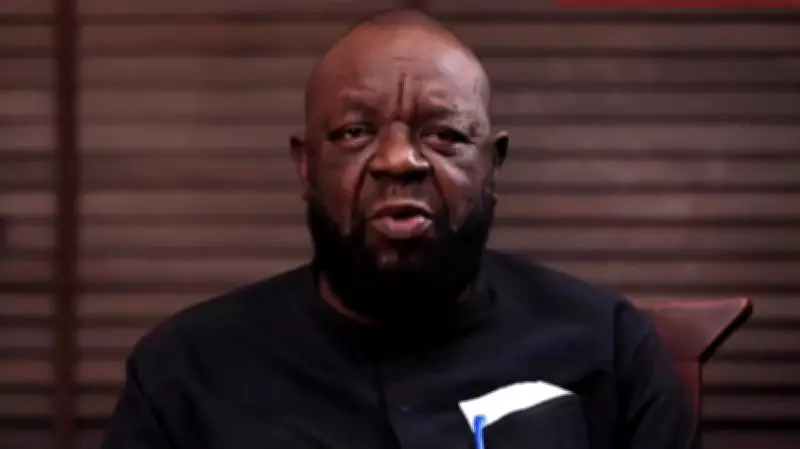
In a thought-provoking statement, lawyer Aloy Ejimakor has cautioned that even if an Igbo candidate clinches the Nigerian presidency, it may not address the deep-seated institutional abhorrence against the Igbo ethnic group that has persisted for decades. Ejimakor, known for his legal representation of IPOB leader Nnamdi Kanu, raised critical questions about the potential consequences of such a political milestone.
Historical Echoes and Ethnic Tensions
Ejimakor expressed concern that an Igbo presidency could trigger incidents similar to those in 1966, which preceded the Nigerian Civil War. He questioned whether the Southwest and its allies would accept an Igbo president denying President Tinubu a second term in 2027, potentially leading to ethnic-baiting and renewed conflict. "Wouldn’t that trigger another round of ethnic-baiting, reminiscent of 1966 when Ndigbo were collectively branded co-conspirators in the first coup?" he asked, highlighting the risk of deadly chain reactions.
Challenges in Governance and Security
The lawyer also doubted an Igbo president's ability to tackle issues like Islamic terror in the North without facing accusations of retaliation for the Civil War. He cited past examples, such as General Ihejirika being accused by Northerners for his successes against Boko Haram, and recalled Buhari's assertion that "an attack on Boko Haram is an attack on the North." Ejimakor warned that even minimal successes might be undone once such a president leaves office, with problems resurfacing on a grander scale.
Systemic Injustices and Political Backlash
Ejimakor wondered if an Igbo president could muster the political will to right systemic wrongs without provoking backlash or accusations of trying to split Nigeria. He predicted that vested beneficiaries of injustices would use their superior numbers to frustrate reform efforts, potentially returning the situation to square one. "It may turn dangerous & somewhat naive to stake the collective future of the Igbo in the single factor of some 'Igbo presidency,'" he cautioned, urging Igbos and their allies to ponder these questions before casting their lot.
A Call for Reflection
Addressing other Nigerians, Ejimakor asked if they would be comfortable with an Igbo president pushing for equal political footing or more radical changes for disadvantaged groups. He invited all to "ponder these & correct me if I’m wrong in posing these piquant questions," emphasizing the need for honest dialogue. His insights stem from a deep understanding of Nigeria's political landscape, shaped by his role as a lawyer in high-profile cases.