Deputy Speaker Kalu Laments Colonial Separation of Anioma from Ndigbo
The Deputy Speaker of the House of Representatives, Dr. Benjamin Kalu, has expressed profound regret over the historical separation of the Anioma people from the broader Ndigbo community by British colonial authorities. He emphasized that the dream of a united Anioma should be pursued through democratic means rather than confrontational approaches.
Call for Dialogue and Democratic Process
Speaking with representatives of Anioma communities, including traditional rulers and advocacy groups, on Tuesday at the National Assembly complex, Kalu stressed the critical need for dialogue, strategic lobbying, and stakeholder engagement. He highlighted that sustainable political solutions in a democracy are achieved through negotiation and consensus, not coercion.
"A man should not be displaced by another's act. Colonial separations were imposed, and reunification is a legitimate goal," Kalu stated. "The key is dialogue, negotiation, and consensus. This is how sustainable political solutions are achieved in a democracy."
Criteria for Proposed Anioma State
On the criteria for the proposed Anioma state, Kalu outlined that it must be geographically spread, economically viable, and culturally contiguous. He reiterated that the separation was a colonial imposition, and reunification efforts should focus on these foundational principles to ensure long-term success.
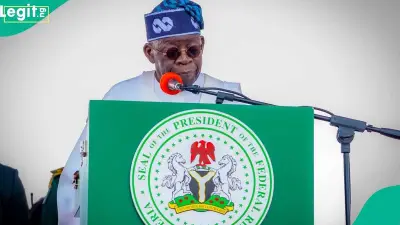
Kalu advised the delegation to engage not only with Delta State lawmakers but also with leaders across the South East to build unity. He pointed to President Bola Ahmed Tinubu's responsiveness to citizen concerns as a positive factor in the process.
Warning Against Disunity
"We have a president who listens to the people. Consensus, not coercion, is key. If we pass this in the National Assembly and the President is convinced there is harmony, he will assent. But if there is disunity, it could stall the process," he warned. "Lobbying, seminars, and stakeholder consultations are essential tools for a successful agitation."
Senator Ned Nwoko's Perspective
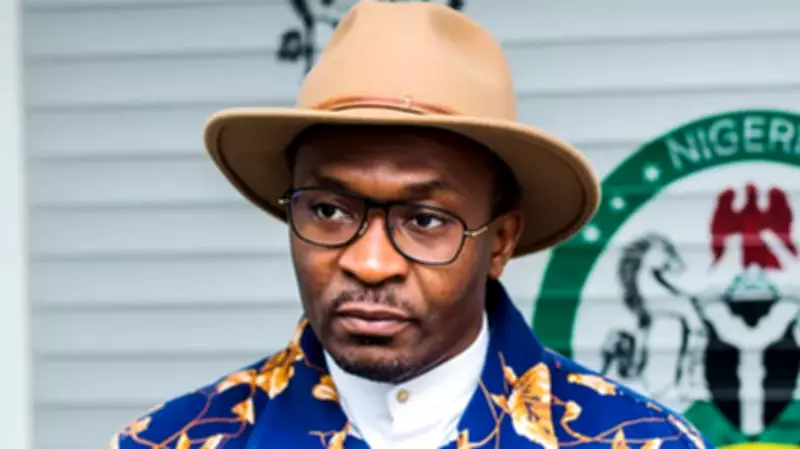
Senator Ned Nwoko, a leading advocate for the Anioma state, emphasized that the movement is about collective good rather than personal gain. He noted that the quest for Anioma State dates back over 70 years and is rooted in historical and cultural ties.
"Our quest for Anioma State dates back over 70 years. We are Ndigbo historically, but colonial divisions separated us across the Niger River. This is about reunification, culture, and heritage," Senator Nwoko explained.
The discussions underscore a growing push for the recognition and creation of Anioma state, driven by historical grievances and a desire for cultural and political reunification within the framework of Nigeria's democratic system.