NNPP's Kwankwaso Engages in Closed-Door Talks with PDP Governor Makinde in Ibadan
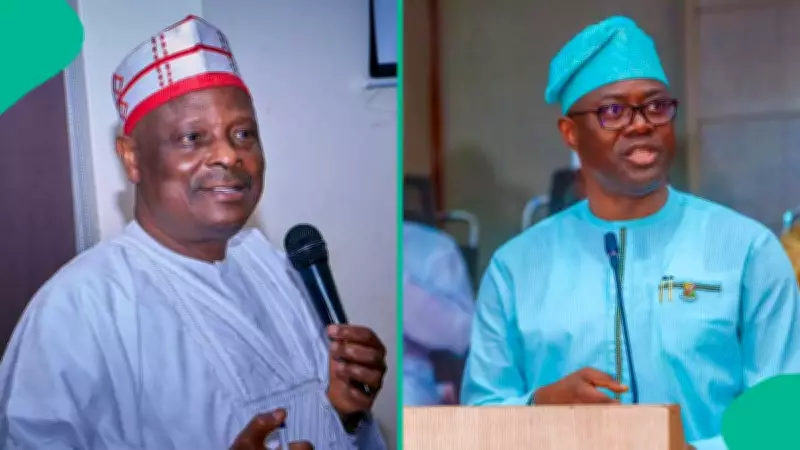
In a significant political development, Rabiu Kwankwaso, the 2023 presidential candidate of the New Nigeria People's Party (NNPP), visited Governor Seyi Makinde of Oyo State for a private meeting at the Oyo State Government House in Ibadan. The encounter, which occurred on February 25, 2026, has ignited widespread speculation about its implications for the upcoming 2027 presidential election in Nigeria.
Strategic Meeting Amid Electoral Speculations
The closed-door session between Kwankwaso and Makinde, a key figure in the Peoples Democratic Party (PDP), is believed to be strategically timed as political actors begin to position themselves for future electoral contests. Sources indicate that the discussions likely centered on potential alliances and collaborative efforts ahead of the 2027 polls, highlighting the fluid nature of Nigeria's political landscape.
Video footage from the Nigerian Tribune captured Kwankwaso's arrival at the Government House, adding to the public intrigue surrounding the meeting. This visual evidence has fueled debates among political analysts and observers, who are closely monitoring such interactions for signs of shifting alliances.
Background and Political Significance
Rabiu Kwankwaso, a former governor of Kano State and a prominent political figure, has been actively involved in national politics, with his NNPP making significant inroads in recent elections. Governor Seyi Makinde, on the other hand, is a leading member of the PDP and has been instrumental in shaping opposition dynamics in Nigeria.
The meeting between these two influential leaders underscores the ongoing realignments within Nigerian politics, as parties and candidates explore new strategies to enhance their electoral prospects. It also reflects the broader trend of cross-party engagements that often precede major election cycles in the country.
Implications for the 2027 Presidential Election
As Nigeria approaches the 2027 presidential election, such high-profile meetings are seen as critical indicators of potential coalition-building and alliance formations. The Kwankwaso-Makinde dialogue could signal a move towards greater cooperation between the NNPP and PDP, or it may represent individual strategic manoeuvring by both leaders.
Political commentators suggest that this development could influence voter perceptions and party strategies in the coming months, with implications for the overall electoral landscape. The outcome of these talks remains to be seen, but they have undoubtedly added a new layer of complexity to the pre-election political discourse.
In summary, the meeting between Rabiu Kwankwaso and Seyi Makinde in Ibadan is a noteworthy event that highlights the dynamic and evolving nature of Nigerian politics as stakeholders prepare for the 2027 presidential election.