Kwankwaso's ADC Defection: A Calculated Gamble with Three Critical Vulnerabilities
Senator Rabiu Musa Kwankwaso's recent political realignment to the African Democratic Congress has been celebrated by party leadership as a transformative development in Nigeria's opposition landscape. However, beneath the surface of this strategic maneuver lie substantial risks that could potentially undermine the former Kano State governor's political influence and presidential ambitions for the 2027 general elections.
Relinquishing Absolute Control for Coalition Compromise
Within the New Nigeria Peoples Party structure, Kwankwaso exercised near-total authority as the undisputed national leader and primary architect of the party's organizational framework. This position granted him comprehensive control over candidate selection processes, strategic decision-making, and mobilization of the Kwankwasiyya movement without facing significant internal opposition or power-sharing arrangements.
The transition to ADC fundamentally alters this dynamic, placing Kwankwaso within a crowded coalition environment where multiple political heavyweights including former Vice President Atiku Abubakar, former Anambra State Governor Peter Obi, and former Minister Rotimi Amaechi all maintain substantial influence and presidential aspirations. This new configuration transforms Kwankwaso from a singular authority figure into one of several prominent leaders who must navigate complex power-sharing arrangements and democratic processes within the party's National Working Committee.
Navigating Internal Power Dynamics Among Presidential Contenders
The ADC's proposed consensus-driven approach to selecting its presidential candidate presents both theoretical advantages and practical challenges in Nigeria's competitive political environment. While the combined electoral strength of Kwankwaso, Atiku, and Obi represents a formidable opposition force on paper, the reality of determining a single standard-bearer creates inherent tensions and potential conflicts.
Political analysts note that overlapping support bases, particularly between Kwankwaso and Atiku in Northern regions, could generate friction during candidate selection processes. Kwankwaso has reportedly indicated support for a Southern presidency to maintain national balance, aligning with Peter Obi's political ambitions. However, Atiku Abubakar has maintained his presidential aspirations, creating a complex three-way dynamic where consensus may prove difficult to achieve without significant political concessions.
Threats to Core Support Base and Grassroots Movement
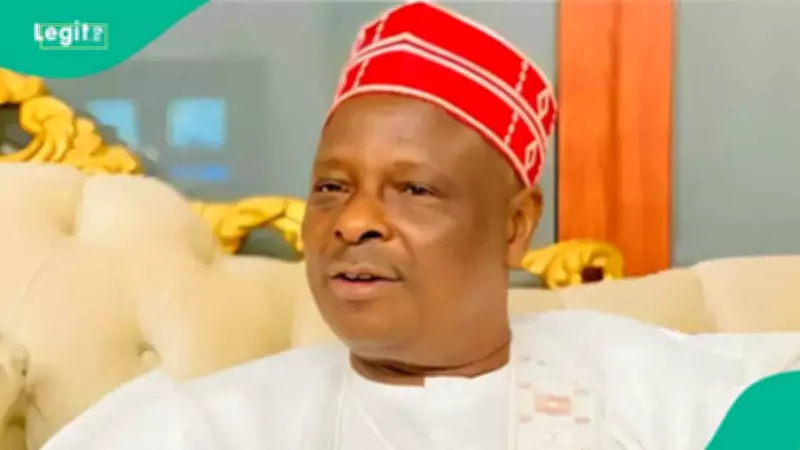
Kwankwaso's political strength has historically been rooted in the loyalty of the Kwankwasiyya movement, identifiable by their distinctive red caps and concentrated support in Kano State and broader Northern regions. This defection from NNPP to ADC introduces uncertainty regarding whether his entire support structure will follow him to the new political platform.
Reports indicate that not all key NNPP figures are prepared to transition with Kwankwaso to the ADC, suggesting potential fragmentation within his political ranks. Academic observers note that while the move could theoretically challenge APC dominance in Kano, its success depends entirely on the assumption that Kwankwaso's entire political bloc will transfer allegiance to the new party. Frequent political defections risk creating voter confusion and apathy among grassroots supporters who value consistent party affiliation as an indicator of political stability.
Strategic Implications for 2027 Electoral Landscape
The ADC coalition represents a significant attempt to consolidate opposition forces against the ruling All Progressives Congress, but Kwankwaso's participation comes with substantial trade-offs. He has exchanged the comfort of a personalized political structure for the complexities of a multi-factional coalition where influence must be negotiated rather than commanded.
Between internal power struggles for the presidential nomination, competition for control of party machinery, and potential erosion of his traditional support base, Kwankwaso faces a challenging political environment where his legendary grassroots influence may be tested more severely than in previous electoral cycles. The coming months will reveal whether this strategic gamble positions him as a kingmaker within the opposition or diminishes the political capital he has accumulated over decades of public service.