National Assembly Passes N68.3 Trillion 2026 Budget, Transfers Implementation to Federal Government
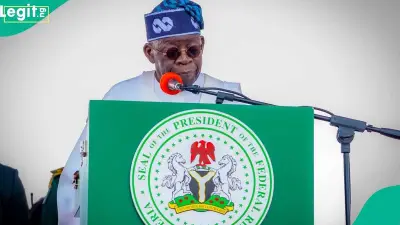
After three weeks of deliberation, both chambers of the National Assembly have approved a comprehensive fiscal plan totaling N68.3 trillion for the 2026 financial year. This represents a significant 17 percent increase from the initial proposal, effectively shifting the heavy burden of funding and execution to the executive branch. The passage occurred three months after the budget was presented by the executive, with expectations that President Bola Tinubu will sign it into law this week, potentially aligning the budget cycle to an April-March timeframe.
Budget Breakdown and Fiscal Concerns
The approved budget includes N32.29 trillion allocated for capital expenditure, N15.43 trillion for recurrent spending, N15.81 trillion for debt servicing, and N4.8 trillion for statutory transfers. This makes it one of the largest fiscal plans in Nigeria's history, emphasizing infrastructure development while highlighting the ongoing pressure of debt obligations on public finances. However, the fiscal deficit may escalate to N35 trillion, raising alarms about the government's commitment to fiscal consolidation amid a history of revenue underperformance.
Historically, revenue projections have underperformed by an average of 30 percent, according to independent analyses. A similar shortfall this year could create an additional deficit gap of N10.2 trillion, potentially pushing the total fiscal deficit to N34 trillion, part of which may remain unfunded. In 2024, the Federal Government recorded revenue of N20.98 trillion, about 60 percent of actual expenditure, resulting in a deficit of N13.58 trillion.
Adjustments and Strategic Interventions
The budget approval incorporates several adjustments requested by President Tinubu, including N5.71 trillion for legacy capital obligations carried over from the 2025 fiscal cycle and N2 trillion earmarked for priority projects across key sectors. These additions aim to prevent delays in project execution and ensure continuity in government programs. Strategic interventions include:
- N478.6 billion in equity contributions for light rail projects in Lagos, Kano, Kaduna, and Ogun states.
- Feasibility studies for rail projects in Enugu and Maiduguri, along with expansion of the national rail network.
- N8.96 billion for feasibility studies on the Calabar–Maiduguri Corridor and the Maiduguri–Sokoto Superhighway.
- N98.5 billion for the Court of Appeal, N36.7 billion for the Supreme Court, and an additional N268.54 billion to strengthen the judiciary's budget ceiling ahead of the 2027 general elections.
Funding Mechanisms and Legislative Rationale
To finance the expanded budget, the federal government plans to rely on revenue enhancements and borrowing. An increase in the oil benchmark by $10 per barrel is expected to generate N2.592 trillion, while telecommunications sector reforms are projected to boost tax revenues, with major operators like MTN Nigeria and Airtel Nigeria contributing about N874 billion in corporate income tax. Additionally, the government aims to raise N6.163 trillion through external borrowing to bridge the funding gap.
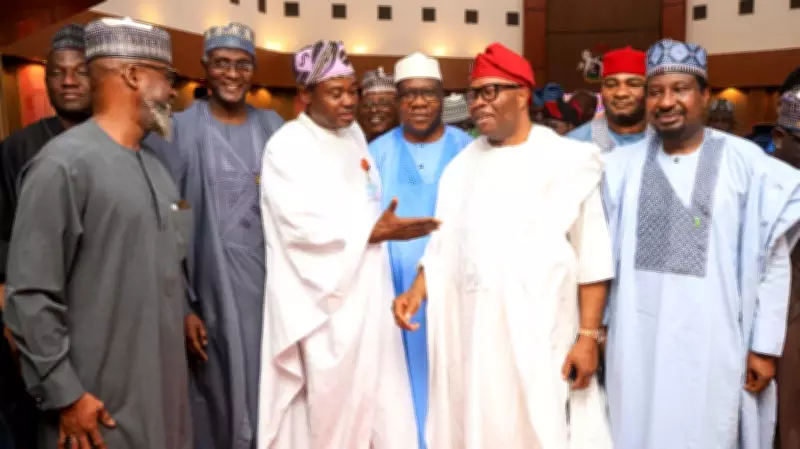
Senator Olamilekan Adeola Solomon, Chairman of the Senate Committee on Appropriation, clarified that the budget increase followed formal requests from the executive to address emerging national priorities and funding gaps. He emphasized that the process was transparent and aligned with Tinubu's Renewed Hope Agenda, describing it as a "budget of consolidation" to sustain ongoing reforms and economic recovery efforts.
Related Developments and Future Implications
In a related move, the House of Representatives passed a bill extending the implementation of the capital component of the 2025 budget to June 30, allowing more time for ongoing projects to be completed. This decision reflects concerns over previous budget cycles, where implementation delays have sparked controversy about the administration's commitment to budget culture.
If President Tinubu assents to the 2026 budget, it will be over 24.2 percent above last year's N54.99 trillion spending plan, potentially marking one of the worst-performing appropriations in recent history. The government faces a Herculean task in a campaign year, with politically-motivated projects demanding execution and pressure to deliver on both recurrent and capital expenditures. The planned fiscal expansion could push sovereign debt to N200 trillion, a topic likely to dominate discussions in the lead-up to next year's general election.