Niger Delta Coalition Stages Protest at National Assembly Over Pipeline Surveillance Contracts
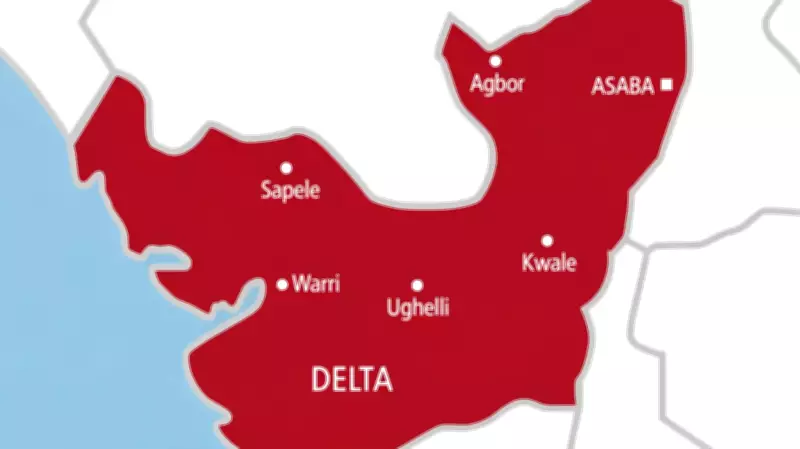
A coalition of Niger Delta groups, including the Niger Delta Ethnic Nationalities (CNDEN) and the United Niger Delta Congress (UNDC), staged a significant protest at the National Assembly on Wednesday. The demonstrators demanded the urgent decentralisation of pipeline surveillance contracts to stakeholders across oil-producing states in the region. During the event, the coalition submitted a formal petition to Senate President Godswill Akpabio, calling for a more inclusive framework in pipeline security operations.
Petition Details and Key Signatories
The petition was jointly signed by prominent leaders such as Dr Alaye Theophilus, President-General of the coalition and President of the Ijaw Youth Council (IYC); Mammoth Knight, President of the Ibom Youth Council; and Emmanuel Bieh, President of the Ogoni Federated Youth. In addressing journalists, Alaye emphasised that the Niger Delta serves as the economic backbone of Nigeria, hosting the oil and gas resources that generate the bulk of the nation's revenue. He clarified that the petition was not aimed at discrediting specific companies like Tantita Security Services Nigeria Limited, Maton Engineering, or Pipeline Infrastructure Limited.
"Rather, this petition is driven by the urgent need to correct a structural imbalance in the current pipeline surveillance framework, where responsibilities appear concentrated in the hands of a few individuals or entities, to the exclusion of wider Niger Delta stakeholders and ethnic nationalities," Alaye stated. He expressed concern that the centralised structure fosters unhealthy competition, division, and resentment among ethnic groups, weakening grassroots intelligence crucial for effective pipeline protection.
Risks and Historical Context
Alaye highlighted the emergence of a growing cold war among stakeholders and ex-agitators in the Niger Delta, driven by perceived exclusion and inequitable distribution of opportunities. "If not urgently addressed, this situation risks escalating into open conflict, which could result in widespread vandalism of oil and gas infrastructure and further destabilise the region," he warned. He recalled that during the peak of militancy, Nigeria's crude oil production averaged between 2.0 and 2.1 million barrels per day, but despite relative peace and increased surveillance spending, current production has dropped to between 1.5 and 1.7 million barrels per day.
The coalition questioned why oil production is declining despite heightened security measures, raising concerns about systemic lapses or undisclosed networks facilitating crude oil theft. They maintained that excluding local stakeholders from active participation is a major factor undermining pipeline protection efforts, advocating for full decentralisation where each Niger Delta state is assigned responsibility for securing pipelines within its territory.
Calls for Action and Legal Basis
The coalition warned that the current situation may degenerate into a crisis with far-reaching consequences for national security and economic survival, urging the National Assembly, the Office of the National Security Adviser, and relevant security agencies to act decisively. Emaluji Michael Sunday, National Secretary of the United Niger Delta Congress, echoed these sentiments, describing the demand for decentralisation as a call for justice and fairness. He cited provisions of the Petroleum Industry Act (PIA) 2021, which recognise host community participation in petroleum operations.
"We insist that pipeline surveillance contracts should be decentralised and spread across Niger Delta states as a common patrimony, rather than being concentrated in the hands of a few. This is the only way to ensure fairness, transparency, and equitable distribution of benefits," Sunday asserted. Meanwhile, regional stakeholder Fejiro Oliver urged President Bola Ahmed Tinubu and the National Assembly to heed the calls for decentralisation, noting that the campaign reflects widespread support for a more inclusive approach.
Oliver emphasised that the call is not to undermine any individual or group but to ensure local participation, equitable opportunities, and engagement of key regional stakeholders. The protest underscores ongoing tensions in the Niger Delta over resource management and security, with stakeholders pushing for reforms to enhance transparency and regional stability.