Nigeria's Crisis: Beyond Fuel Prices to Systemic and Societal Failures
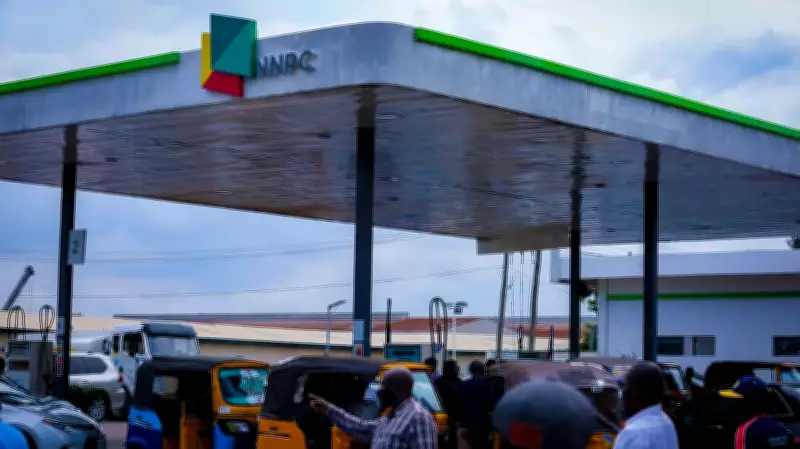
The recent escalation of tensions in the Middle East, particularly around critical oil transit routes such as the Strait of Hormuz, has once again exposed the vulnerability of global energy markets. Across the world, nations are experiencing rising fuel costs, inflationary pressures, and economic strain. Nigeria is not exempt from these global trends. However, while global events provide important context, they do not fully explain the depth of the hardship currently being experienced within the country. For Nigeria, this moment is not just an energy crisis—it is a mirror reflecting deeper, long-standing structural and societal challenges that have persisted for decades.
The Fuel Subsidy Debate: A Symptom, Not the Cause
At the center of public discourse is the removal of fuel subsidy by the current administration. This policy decision has attracted widespread criticism, with many citizens attributing present economic hardship solely to the government. Yet, it is crucial to acknowledge that the subsidy removal was not an isolated or spontaneous decision. The previous administration had already set a clear trajectory and timeline toward its eventual removal, indicating a broader political consensus on this issue. This raises an important question: Are we responding to policy reality, or reacting emotionally to its consequences? Nigeria's challenge extends far beyond subsidy removal. It is rooted in a complex web of systemic inefficiencies, fragmented national identity, and cyclical governance patterns that undermine progress.
Persistent Divisions and National Cohesion
One of the most concerning dimensions of this crisis is the persistent division within the country. Ethnic, religious, and regional biases continue to shape national perception and discourse in profound ways. Economic outcomes are often interpreted through the lens of identity rather than objective analysis, leading to distorted views of resource allocation and policy impacts. When resources shift or political power changes hands, narratives of marginalization quickly emerge, reinforcing division rather than fostering unity. This pattern creates a dangerous cycle: Every administration is judged not only by its policies but by perceived regional or ethnic advantage. As a result, national cohesion suffers, and policy continuity becomes difficult, hindering long-term development and stability.
Leadership and Followership: A Dual Challenge
Equally important is the question of leadership succession. There is a growing call for change in government, but insufficient clarity on what that change represents. If the political class remains largely the same—recycling across parties and administrations—can we realistically expect fundamentally different outcomes? This leads to a deeper, more uncomfortable reflection. The issue is not solely about leadership—it is also about followership. Across multiple levels of society, there are observable gaps in accountability, discipline, and ethical standards. From public sector inefficiencies to informal practices of bribery, from poor work culture to lack of institutional ownership, these behaviors collectively weaken national progress. It becomes contradictory to demand excellence in leadership while tolerating mediocrity within the system. A nation's progress is not determined only by its leaders but by the collective behavior of its citizens.
Defining True Change for Nigeria
Therefore, the call for change must be more precise and actionable. Change is not merely a transition from one administration to another. Change is not the replacement of individuals without transformation of systems. Change is not louder voices on social media without corresponding responsibility in daily actions. True change requires a fundamental shift in how Nigeria operates, focusing on:
- Strengthening institutions rather than individuals to ensure durability and fairness.
- Building systems that outlast political cycles to provide stability and continuity.
- Encouraging accountability at both leadership and citizen levels to foster trust and efficiency.
- Developing a shared national identity beyond ethnic or regional lines to promote unity and collective purpose.
Opportunity for Introspection and Reform
Nigeria's current situation presents an opportunity—not just for criticism, but for introspection and meaningful action. The global energy crisis may have triggered the present discomfort, but it has also revealed an urgent truth: Without structural reform and collective responsibility, external shocks will continue to produce internal instability. The future of Nigeria will not be determined solely by who leads, but by how both leaders and citizens choose to behave. Until this alignment is achieved, we risk continuing a cycle where problems are replaced, but never truly solved. The question, therefore, is not just "What change do we want?" but more importantly, "What kind of nation are we willing to become?" This reflection calls for a concerted effort from all stakeholders to address the root causes of Nigeria's challenges and build a more resilient and unified society.