Outrage Over Tinubu's Brief Airport Visit to Plateau Amid Killings
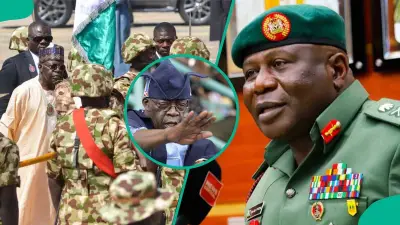
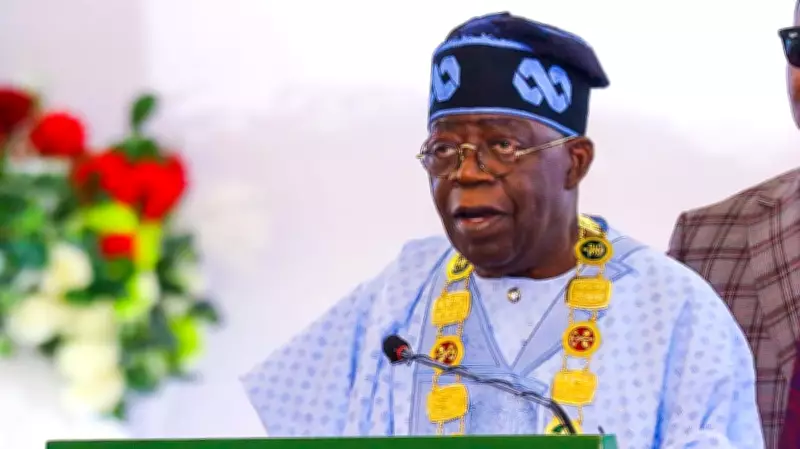
President Bola Tinubu's recent visit to Plateau State has ignited widespread criticism, with many condemning the short duration, restriction to the airport, and the handling of the engagement with victims. The visit, which lasted only 10 minutes, was confined to the airport in Jos, raising concerns about its effectiveness and sensitivity in the wake of recent violent attacks.
Criticism from Atiku Abubakar
Former Vice President Atiku Abubakar strongly criticized the visit, describing it as insensitive and detached from the plight of the victims. In a statement issued by his Senior Special Assistant on Public Communication, Phrank Shaibu, Atiku highlighted that the President did not visit bereaved families or injured victims in hospitals. He also noted the absence of clear policy direction, decisive security intervention, or assurances against future recurrences.
Atiku alleged that the visit was limited to the airport, where Tinubu met with political allies and traditional rulers, far removed from the affected communities. He further criticized the decision to transport grieving residents from parts of Jos to Heipang near Barkin Ladi for the visit, calling it disturbing during a time of mourning. According to him, this approach reduced a human tragedy to a choreographed spectacle, prioritizing optics over empathy and dignity.
He emphasized that Nigerians are not seeking symbolic visits but effective governance that guarantees the protection of lives and property. Atiku added, "A leader who cannot stand with his people in their darkest hour cannot convincingly claim to be fighting for their safety."
Tinubu's Response and Security Measures
During his visit, President Tinubu pledged to halt the cycle of violence in Plateau State, unveiling a broad security response. This includes the deployment of more than 5,000 surveillance cameras across Jos to enhance intelligence gathering and support real-time responses by security agencies. He assured residents that the Federal Government would act decisively to prevent a recurrence of the attacks.
Tinubu expressed sympathy for the victims, stating that no amount of money could compensate for the loss of lives. He directed security agencies to intensify operations and ensure those responsible for the attacks are arrested and prosecuted. Additionally, he tasked the Ministry of Humanitarian Affairs with conducting a comprehensive assessment of victims and losses to guide targeted intervention.
Army Deployment and Security Efforts
The Nigerian Army has deployed 850 additional troops from Abuja and Kaduna to Plateau State to curb rising insecurity. The Chief of Army Staff, Waidi Shaibu, approved this deployment to reinforce ongoing operations under Operation Enduring Peace. The troops are tasked with protecting lives and property, as well as ensuring the safety of residents across the state.
Shaibu urged the troops to remain professional and disciplined, assuring them that adequate logistics and combat support had been provided. He also led heads of security agencies on an on-the-spot assessment in Jos to restore calm and entrench lasting peace.
International and Local Reactions
U.S. lawmaker Chris Smith condemned the recent killings in Plateau State, calling on the Nigerian government to take urgent steps to protect Christian communities. He described the attacks as part of a deeply disturbing pattern, noting they occurred during the Christian observance of Palm Sunday. Smith urged Nigerian authorities to deploy adequate security forces, ensure accountability for perpetrators, and uphold their constitutional duty to protect citizens irrespective of religion.
Meanwhile, the Supreme Council for Shariah in Nigeria alleged that the recent killings were orchestrated by foreign interests seeking to provoke broader religious and communal conflict. The council's Secretary-General, Nafiu Baba Ahmad, warned that such forces must be urgently identified and dealt with through robust intelligence and firm state action.
Conclusion
The controversy surrounding President Tinubu's visit underscores broader concerns about leadership and security in Nigeria. While the government has announced measures to address the violence, critics argue that more decisive and empathetic actions are needed to truly comfort affected communities and prevent future tragedies.