Peru's Congress Ousts President José Jerí in Eighth Leadership Change in a Decade
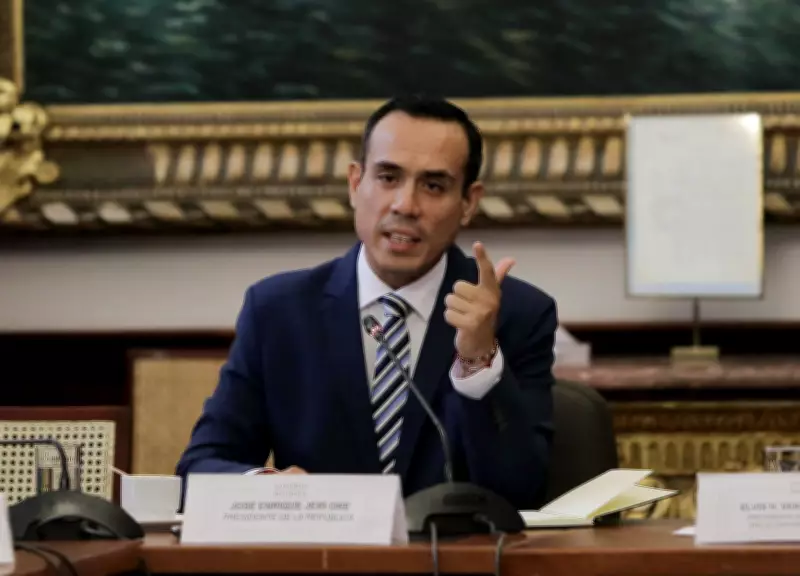
Peru's Congress has removed President José Jerí from office, marking the country's eighth change of leader in less than ten years, as persistent political instability continues to plague the nation. Lawmakers approved a motion of censure against Jerí by 75 votes to 24 on Monday, just four months after he assumed office as interim president and two months before a scheduled general election.
Vacancy Declared and Succession Process Triggered
Following the vote, acting head of Congress Fernando Rospigliosi declared both the presidency of Congress and the presidency of the Republic vacant, initiating the process to appoint a new interim leader. Political blocs are expected to present candidates for President of Congress ahead of a legislative vote that will determine who assumes the presidency of the country.
Scandal Involving Chinese Businessman Leads to Removal
Jerí's removal follows allegations that he held unregistered meetings with Chinese businessman Zhihua Yang, who holds a state concession for one of his companies. The controversy, dubbed "Chifa-gate" in reference to Peru's Chinese-influenced cuisine, prompted the Attorney General's Office to open an investigation.
Images of Jerí entering a Chinese restaurant in Lima on December 26 while wearing a hood sparked public outcry. A subsequent meeting at a Chinese goods store on January 6, where he reportedly wore sunglasses, further fueled suspicion. Neither meeting was recorded in official presidential logs.
Jerí denied any wrongdoing, describing the encounters as "circumstantial" and rejecting claims that any favors were requested. Last month, however, he publicly apologized for how the meetings were conducted, acknowledging that his actions had generated suspicion among the public and lawmakers.
Debate Over Foreign Relations Intensifies
The scandal has intensified debate over Peru's relationship with China, one of its largest trading partners, and the United States, which has raised concerns about Beijing's growing influence in the region. The United States Department of State Bureau of Western Hemisphere Affairs recently expressed concern over reports that Peru may lack oversight of the Chinese-managed Chancay port, warning that "cheap Chinese money costs sovereignty."
Background of Political Instability
Jerí, 39, assumed the presidency in October after becoming Speaker of Congress, following the impeachment of Dina Boluarte. Boluarte had taken office in 2022 after the impeachment and arrest of Pedro Castillo, who attempted to dissolve Congress and rule by decree.
Peru's political instability dates back decades. Former president Alberto Fujimori was ousted in 2000 and later convicted on corruption and human rights charges. Since then, several of his successors have faced investigations or prosecution.
- Alejandro Toledo was sentenced to more than 20 years in prison for accepting bribes linked to the Odebrecht scandal.
- Alan García died by suicide in 2019 as authorities moved to arrest him in connection with the same corruption probe.
- Others, including Ollanta Humala, Pedro Pablo Kuczynski, and Martín Vizcarra, have also faced legal or impeachment proceedings.
Upcoming Election Tests Political Resilience
Despite the recurring turmoil, Peruvians are expected to head to the polls on April 12 for a general election, once again testing the resilience of the country's fragile political system. This latest leadership change underscores the deep-seated challenges in Peru's governance and the ongoing struggle for stability in the face of corruption allegations and external pressures.