The Renewed Dystopia of President Bola Tinubu: Security Failures in Nigeria's Power State
In his 2023 manifesto, Renewed Hope: Action Plan for a Better Nigeria, President Bola Ahmed Tinubu pledged a proactive and intelligence-driven security approach to protect all Nigerians. However, the reality in Niger State, known as the Power State due to its strategic energy assets, tells a different story of escalating violence and government neglect.
Niger State: A Symbol of National Incapacity
Niger State, home to critical national infrastructure like the Jebba, Kainji, and Shiroro power plants, has become a hotspot for insecurity. Despite its historical significance—birthplace of figures like Nnamdi Azikiwe—the state now showcases the Nigerian government's failures. Shiroro Local Government Area, comparable in size to Imo State, epitomizes this crisis, with insurgents establishing parallel governance and perpetrating mass atrocities.
Escalating Violence in Shiroro
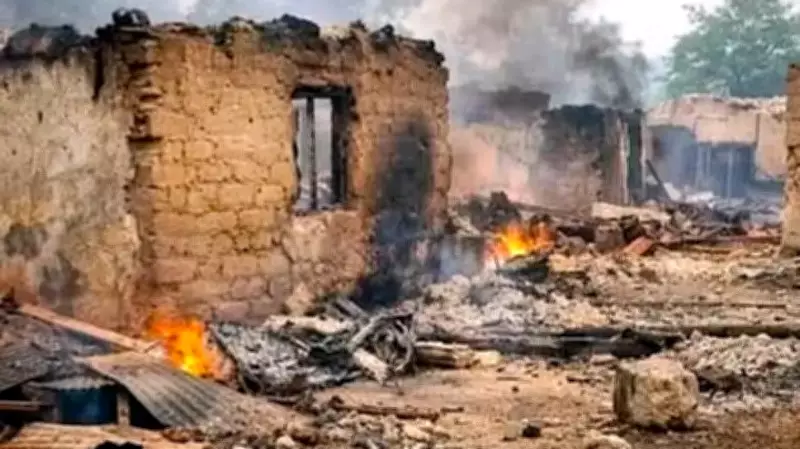
Recent years have seen a surge in attacks in Shiroro, targeting both civilians and security forces. Key incidents include:
- In June 2022, over 300 terrorists attacked Ajata-Aboki village, abducting Chinese workers and killing at least 30 soldiers.
- April 2024 witnessed the deaths of an army captain, six soldiers, and a hunter in separate assaults on Roro, Karaga, and Rumace communities.
- By November 2024, insurgents killed four Nigeria Security and Civil Defence Corps officers, with one missing.
These events have transformed Shiroro into a slaughterhouse, where terrorists operate with impunity. Attacks in 2024-2025 resulted in numerous civilian deaths, including beheadings and mass killings during holidays like Christmas and Easter.
Government Indifference and Propaganda
Under President Tinubu, the response to insecurity has shifted from indifference to cynicism. Instead of prioritizing citizen safety, officials like Defence Minister Chris Musa focus on political events, such as APC conventions. The administration frequently resorts to falsehoods, as seen in Kaduna State where army claims of rescuing abductees were publicly refuted by community leaders.
This pattern of institutional mendacity extends to denying abductions, only retracting statements under public pressure. Critics highlighting these issues face persecution, undermining trust in government institutions.
Broader Implications for Northern Nigeria
The insecurity is not isolated to Shiroro but mirrors trends across northern Nigeria, including states like Benue, Borno, and Plateau. These regions, vital for electoral votes, suffer as communities are displaced into IDP camps or mass graves. Politicians, however, prioritize defections and electoral strategies over voter security, anticipating ghost voting in future elections.
Conclusion: A Call for Solidarity
President Tinubu's administration has failed to deliver on its security promises, fostering a renewed dystopia in Nigeria. For affected communities, acknowledgment and solidarity are crucial. As the crisis deepens, the government's commitment to false narratives over action reveals a troubling disregard for citizen welfare, leaving Nigerians to endure ongoing peril without meaningful intervention.