Saraki Advocates for Southern Presidency in 2027, Rules Out Personal Bid
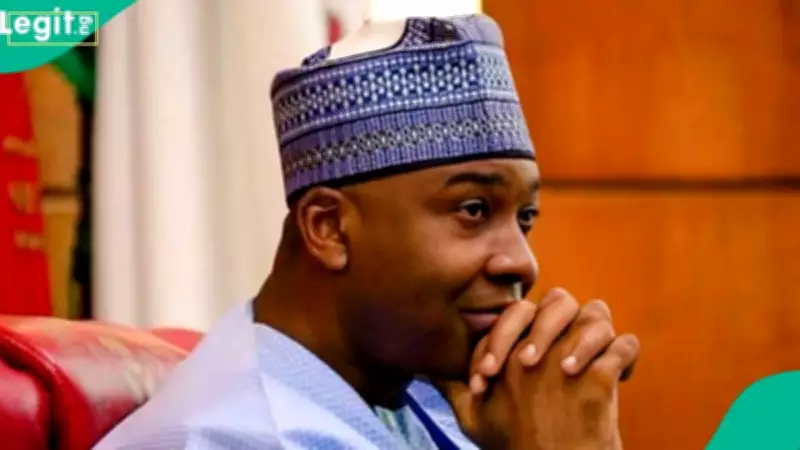
Former Nigerian Senate President Bukola Saraki has made a significant declaration, stating that the next president of Nigeria should come from the southern region in the 2027 elections. In a recent interview on Arise Politics Today, Saraki emphasized his commitment to party decisions on zoning and dismissed any personal ambitions for the presidency.
No Presidential Run for Saraki in 2027
Saraki explicitly stated, "I will not run for president in 2027." He explained that this decision stems from a sense of fairness, noting that after the 2023 election, Nigerians elected Bola Tinubu from the South. Saraki believes it is only equitable to allow the South to complete an eight-year term, thereby promoting balance in national leadership.
Party Deliberations Guide Saraki's Stance
Saraki revealed that his position was shaped by extensive party discussions on zoning. "When the party met last year to decide where the presidential ticket should go, I supported the view that the presidency should be zoned to the South in 2027," he said. He affirmed his adherence to this party decision, which has led him to rule out contesting in the upcoming election.
Emphasis on Regional Fairness and Balance
Responding to inquiries about his support for Atiku Abubakar in 2023, Saraki highlighted the importance of regional equity. He pointed out that the party allowed an open contest in 2023, which he deemed fair. However, he stressed that historically, the South has had fewer years in power compared to the North. "This is about fairness and balance," Saraki asserted, reinforcing the need for a rotational system to ensure all regions have equal opportunities in governance.
Implications for Nigeria's Political Landscape
Saraki's announcement is set to intensify ongoing debates within Nigeria's political sphere regarding regional rotation and party alignment ahead of the 2027 elections. His stance underscores the critical role of zoning in maintaining national unity and preventing regional disparities in political representation. As discussions evolve, this move could influence other political figures and parties to adopt similar positions, shaping the electoral dynamics in the coming years.
This development comes amid broader conversations about Nigeria's democratic processes and the need for inclusive leadership. Saraki's adherence to party decisions and focus on fairness may resonate with voters and political analysts alike, potentially setting a precedent for future electoral strategies.