Tinubu Calls for Gratitude Amid Nigeria's Fuel Price Crisis
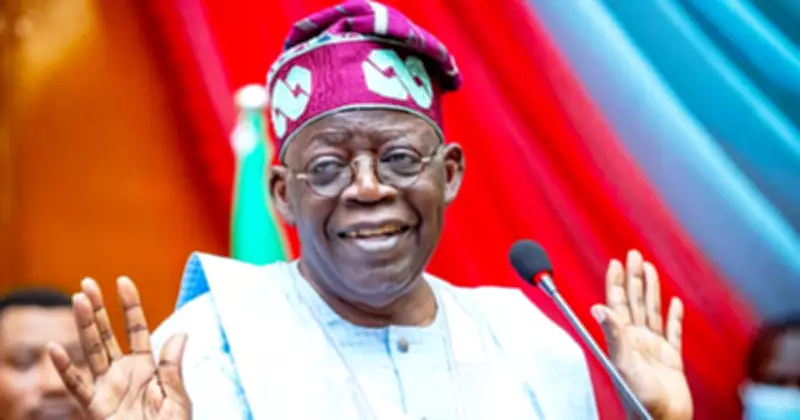
President Bola Tinubu has urged Nigerian citizens to adopt an attitude of thankfulness even as the nation grapples with severe economic challenges triggered by skyrocketing fuel prices. During a public address in Bayelsa State on April 10, 2026, the President acknowledged the difficulties but emphasized that Nigerians should be grateful for their relatively better situation compared to other African countries.
President's Remarks During Bayelsa Project Commissioning
While commissioning several state government projects in Bayelsa, President Tinubu directly addressed the fuel price crisis that has intensified economic struggles across Nigeria. "Yes, I hear you from various angles of the economy. The fuel prices are biting hard, but look around, and let's just thank God together that you are better off. Listen to them in Kenya and other African countries what they are going through," Tinubu stated, encouraging citizens to embrace a spirit of gratitude despite their hardships.
The President's comments came against the backdrop of a global energy crisis stemming from conflicts involving the United States, Israel, and Iran, which have driven crude oil prices upward worldwide. In Nigeria, this has translated to fuel prices surging by nearly 40%, with pump prices reaching as high as ₦1,400 per liter in many areas.
Dangote Refinery's Role and Price Adjustments
In response to the crisis, the Nigerian National Petroleum Company Limited (NNPCL) has increased daily crude oil cargo supplies to the Dangote Refinery to ten shipments. The refinery, which handles a significant portion of Nigeria's daily fuel consumption, has set its gantry price at ₦1,200 per liter, though this price fluctuates in line with global crude oil market trends.
This adjustment represents a partial relief measure, but prices remain substantially higher than historical averages, continuing to strain household budgets and business operations nationwide.
Public and Labor Reactions to Presidential Comments
While Tinubu's acknowledgment of economic hardship was noted by some observers, his call for gratitude has sparked considerable criticism on social media platforms and among civil society groups. Many Nigerians have described the remarks as insensitive and out of touch with the reality of daily struggles, particularly given that the World Bank reports approximately 63% of Nigerians now live in multidimensional poverty.
Prominent voices on social media have challenged the President's perspective, with one activist tweeting, "Tinubu lies to 150 million Nigerians living in multidimensional poverty," reflecting widespread frustration over the suggestion that citizens should be thankful amid such severe economic conditions.
Comparative African Context and Government Response
Other African nations, including Senegal, Tanzania, and Ghana, have implemented various measures to mitigate the economic impact of the global energy crisis on their populations. These include cost-saving initiatives and subsidies designed to cushion citizens from the worst effects of rising fuel prices.
In contrast, the Tinubu administration has yet to announce specific policy measures to address the fuel price increase directly, though the President did promise during his Bayelsa speech to continue working diligently to alleviate the people's hardships.
Labor Union Demands and Economic Pressures
The Nigerian Labour Congress has responded to the crisis by demanding a review of the national minimum wage, currently set at ₦70,000, arguing that current compensation levels are inadequate given the soaring cost of living. Similarly, the Trade Union Congress has called for comprehensive policies to address the fuel crisis and its broader economic implications.
These demands highlight the growing pressure on the government to implement concrete solutions rather than rhetorical appeals for gratitude, as citizens continue to navigate the challenging economic landscape shaped by global energy market volatility and domestic policy decisions.