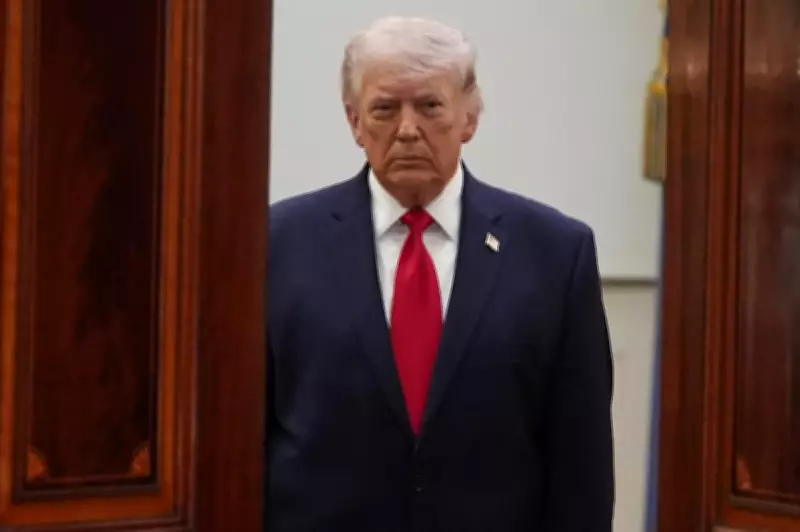
Trump Proposes $1.5 Trillion Defense Budget for 2027 with 40% Increase
President Donald Trump has submitted a fiscal 2027 budget request to Congress, seeking a substantial $1.5 trillion in defense spending. This proposal represents an approximate 40 percent increase from the funding levels allocated in 2026, signaling a major escalation in military investment.
Breakdown of Defense Funding and Priorities
The budget, released on Friday, March 3, outlines that $1.1 trillion will be designated as a base allocation specifically for the Department of Defense. An additional $350 billion is requested through Congress's budget reconciliation process, earmarked for what the administration terms "critical Administration priorities." These priorities include expanding munitions production and bolstering the defense industrial base.
Notably, the proposal references President Trump's planned "Golden Dome" missile defense system, although specific funding details for this initiative are not fully disclosed in the initial document.
Context of Ongoing Conflict and Strategic Messaging
This funding request, prepared by White House budget chief Russell Vought, emerges as the United States enters the fifth week of its war against Iran. While President Trump has publicly stated that the conflict is expected to conclude in the coming weeks, the budget underscores a long-term commitment to strengthening U.S. military capabilities.
In January, President Trump first floated the idea of a $1.5 trillion defense budget, describing it as a record-breaking figure "for the good of the country" that would enable the U.S. to "build the 'Dream Military.'" Defense Secretary Pete Hegseth echoed this sentiment the same month, asserting that the budget would serve as a "message to the world" regarding American military resolve.
Other Key Budgetary Changes and Allocations
The proposal also includes a 13 percent budget increase for the Department of Justice in 2027, reflecting what it describes as the president's "continued commitment in delivering these tough on crime policies." Conversely, nondefense spending faces a significant reduction of 10 percent, equating to $73 billion. This cut targets housing, community, environmental, healthcare, and other programs that the administration has labeled as "woke," with some responsibilities being shifted back to state and local governments.
Additional allocations in the budget encompass a $10 billion mandatory fund to establish the "Presidential Capital Stewardship Program" within the National Park Service. According to the budget document, this program aims to improve safety and accessibility, rehabilitate historic buildings and landscapes, and enhance architectural grandeur in the nation's capital.
Focus on Aviation Safety and Infrastructure Repurposing
In response to safety concerns, particularly following last year's fatal midair collision between an American Airlines flight and a Black Hawk helicopter, the budget proposes a $481 million increase in funding for the Federal Aviation Administration to enhance aviation safety measures.
Furthermore, the budget includes provisions to repurpose funds from the Biden-era Infrastructure Investment and Jobs Act. This reallocation is intended to bolster U.S. energy dominance, drive critical mineral production, and strengthen nuclear security, aligning with the administration's strategic economic and security objectives.