As Nigeria prepares for the 2027 general elections, prominent women political leaders have sounded an alarm about systematic male dominance in political party delegate selection processes that could severely undermine female candidates' chances.
Summit Reveals Systemic Bias
The concerns emerged during the opening ceremony of the North East Women in Political Parties Summit in Gombe State. The event was organized by LEADTOTS Development Initiative with support from the National Endowment for Democracy (NED), bringing together female political stakeholders from across the region.
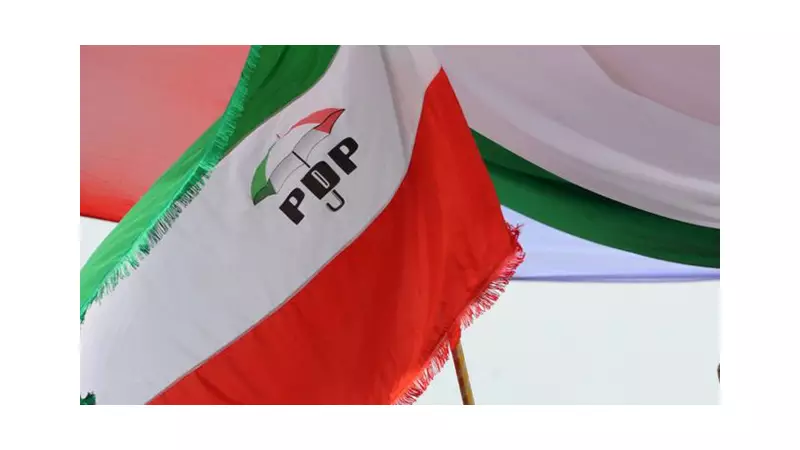
Hauwa Gana Ibrahim, the Women Leader of the People's Democratic Party (PDP) in Yobe State, expressed deep concern about the underrepresentation of women as delegates within political parties. "Number one problem women have is that all the political parties have to go for primaries and women have a minimum of delegates," Ibrahim stated during her address.

How Delegate System Disadvantages Women
According to the women leaders, the current delegate selection process systematically favors male candidates during primary elections. Rifkatu Maxwell, Head of INEC Voter Education and Publicity in Gombe State, confirmed this pattern, noting that "the delegates' selection process in political parties favours men, and most of the delegates participating in primary elections are men."
The situation has been exacerbated by recent legislative changes. Ibrahim explained that "this new law that the last assembly have brought, has given more challenge to the women because even those who are in the executive in the parties are no longer delegates."
Calls for Action and Solidarity
In response to these challenges, participants proposed several solutions. The women suggested implementing a new law requiring party executives to contest for delegate positions rather than automatically becoming delegates. This change could create more opportunities for female representation.
Rifkatu Maxwell urged women to rally behind female candidates across party lines during the 2027 elections. She advised women to form strategic alliances and coalitions, citing the successful opposition merger that led to victory in the 2023 presidential election as a model to emulate.
Halima Mahdi, a women's activist from Gombe State, echoed these sentiments, emphasizing that the lack of women delegates makes it difficult for women to secure party tickets. She called for intensive mobilization of women in the North East region to address this imbalance by 2027.
Earlier in the summit, Nicholas Oshojah Afeso, Executive Director of LEADTOTS Development Initiative, emphasized that women's leadership is essential for the region's progress, affirming that women possess the necessary qualities and capabilities to lead effectively.