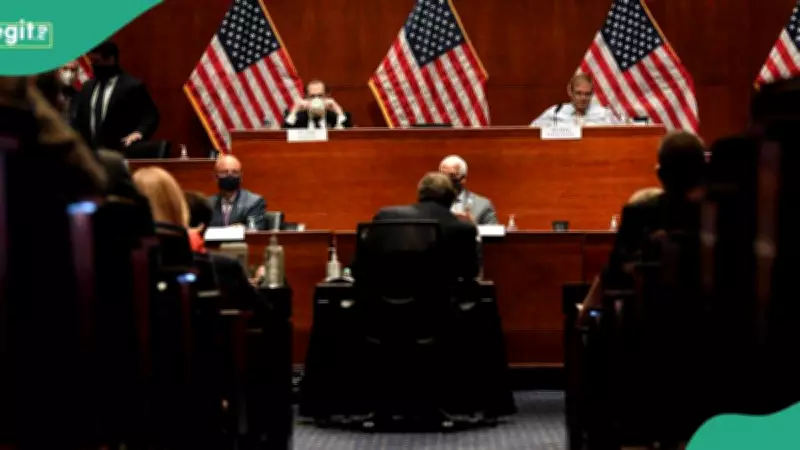
A U.S. federal jury in Ohio has found three individuals guilty for their roles in a sprawling international fraud operation that siphoned an estimated $215 million from more than 1,000 victims across multiple continents. The verdicts were delivered on April 24, 2026, following a four-day trial in Toledo.
Convictions and Charges
According to the U.S. Department of Justice, Oluwafemi Michael Awoyemi, a Nigerian national, along with Aruan Drake and Peter Reed, were found guilty of conspiracy to commit wire fraud. Awoyemi and Drake were also convicted of conspiracy to commit money laundering. The case was presided over by U.S. District Judge James R. Knepp II. In addition to Awoyemi, several other Nigerian nationals residing in the United States pleaded guilty to wire fraud and money laundering conspiracy charges.
Sophisticated Email Scheme
Prosecutors detailed a sophisticated scheme built around compromised email accounts. Investigators said the group infiltrated personal and corporate email systems, quietly studying communication patterns and financial transactions. Once enough information was gathered, fraudulent payment requests were sent to victims or their business partners. Because the messages closely mirrored legitimate correspondence, many recipients transferred large sums without suspicion.
Authorities stated that the fraud spanned 47 U.S. states and reached victims in 19 countries, making it one of the most extensive business email compromise operations uncovered in recent years. Funds were moved through a network of bank accounts and financial channels designed to conceal their origin. In total, 25 individuals have now been convicted in connection with the operation, with several others previously entering guilty pleas.
Money Laundering and Seized Assets
Court filings revealed that about $50 million of the stolen funds were converted into cashier's checks and processed through a Chicago-area currency exchange. The business owner, Lon Goodman, was accused of accepting fraudulent identification and continuing transactions despite warnings from financial institutions. Authorities also traced funds to shell companies used to mask ownership. In one case, a victim transferred $2.7 million to an account controlled by a member of the conspiracy.
Investigators seized assets linked to the scheme, including nearly $1.2 million in cash, cryptocurrency, and checks. Luxury watches and a large residential property in Georgia were also among the items subject to forfeiture.
Victims Across the Globe
Businesses in several Ohio communities, including Norwalk, Akron, and Hudson, were affected. Beyond the state, victims were identified across the United States, from New York to California, as well as internationally in countries such as Canada, Germany, and Australia.
Sentencing for all defendants will be determined at a later date. The court will consider each individual's role and criminal history before issuing penalties. The investigation involved multiple federal agencies, including the FBI, the U.S. Postal Inspection Service, and border intelligence units.