President Tinubu Appoints Tunji Disu as Acting Inspector General of Police
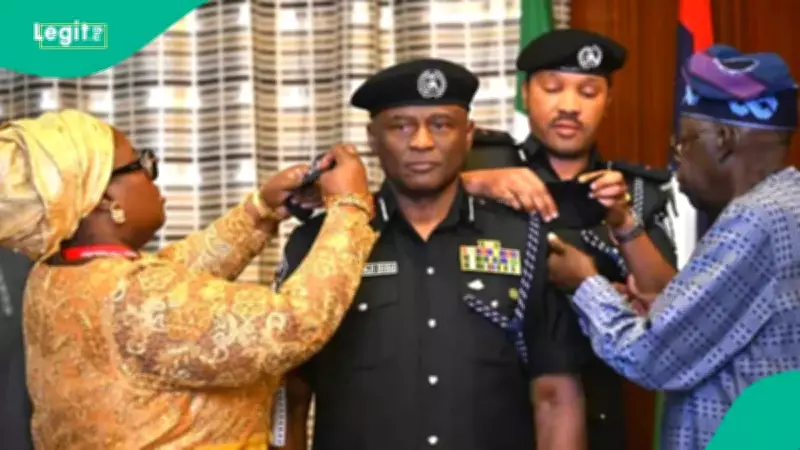
President Bola Ahmed Tinubu has formally decorated Olatunji Rilwan Disu as the new Acting Inspector-General of Police, marking a significant leadership transition within the Nigeria Police Force. This appointment follows the resignation of former IGP Kayode Egbetokun, who stepped down citing personal and family-related reasons after serving since June 2023 with an extended tenure expected to last until 2027.
Seven Priority Areas for Immediate Action
As Acting IGP Disu assumes office during a period of ongoing security and institutional challenges across Nigeria, security experts and observers have identified seven critical areas requiring immediate attention and strategic intervention.
1. Enforcing Withdrawal of Police from VIP Protection
Security expert retired Major Muhammadu Bashir Galma emphasized the urgent need to fully implement President Tinubu's directive from November last year, which called for the withdrawal of police officers from politicians and dignitaries. These officers should be redeployed to core policing duties after receiving comprehensive refresher training to strengthen operational capacity and address the nation's security needs more effectively.
2. Reducing Military Burden Through Enhanced Coordination
The longstanding debate about overlapping responsibilities between police and military forces requires immediate resolution. Retired Major Galma suggested that enhanced training in intelligence gathering techniques for police officers, combined with better coordination with military forces, could significantly reduce the military's burden in addressing security challenges traditionally handled by police operations.
3. Embracing Technology and Automation Systems
Despite Senate approval for automating eighteen police functions to reduce station congestion and improve efficiency, implementation remains stalled. Security consultant Kabiru Adamu noted that not a single automation project has been executed, highlighting the urgent need for the new police leadership to prioritize technological adoption for intelligence collection and operational effectiveness.
4. Improving Police Welfare and Compensation
Although former President Muhammadu Buhari announced salary increases for police officers in 2018, ongoing calls for improved compensation continue. Galma stressed that decent salaries, allowances, and overall well-being must be prioritized, particularly given widespread complaints about homelessness and inadequate allowances that demoralize officers and compromise their performance.
5. Rebuilding Public Trust and Community Relations
Public perception of the police remains a significant challenge, with allegations of misconduct, rights violations, and abuse eroding confidence in the institution. Police expert Dennis Amachree identified restoring public trust as a major task for Disu's administration, requiring concerted efforts to demonstrate fairness, professionalism, and community-oriented policing approaches.
6. Upgrading Equipment and Operational Logistics
Operational effectiveness continues to be hampered by inadequate tools, vehicles, and logistical support. Reports of patrol vehicles lacking fuel and outdated equipment have raised serious concerns about response capabilities. Modernizing equipment, improving mobility support, and enhancing communication systems will be critical for improving response times and overall police efficiency.
7. Ensuring Political Neutrality Ahead of Elections
With accusations of security agency interference in political affairs becoming increasingly common, the police must demonstrate strict neutrality during upcoming electoral processes. This includes gubernatorial elections in Osun and Ekiti states scheduled for 2026, where proper deployment of officers and maintenance of law and order will be essential for preventing violence and electoral malpractice.
Background on Leadership Transition
Sources within the presidency have indicated that Egbetokun's departure resulted from three main factors, contrary to official claims about family reasons. Specifically, his stance on state policing initiatives—which the presidency views as potentially beneficial for national security—reportedly contributed to the leadership change.
As Acting IGP Disu begins his tenure, these seven priority areas represent both immediate challenges and opportunities for transformative reform within the Nigeria Police Force. The successful addressing of these issues could significantly enhance security operations, improve officer morale, and rebuild public confidence in law enforcement institutions across the nation.