Nigerian Defence Confirms Death of ISWAP Kingpin, Addresses Repentant Terrorist Claims
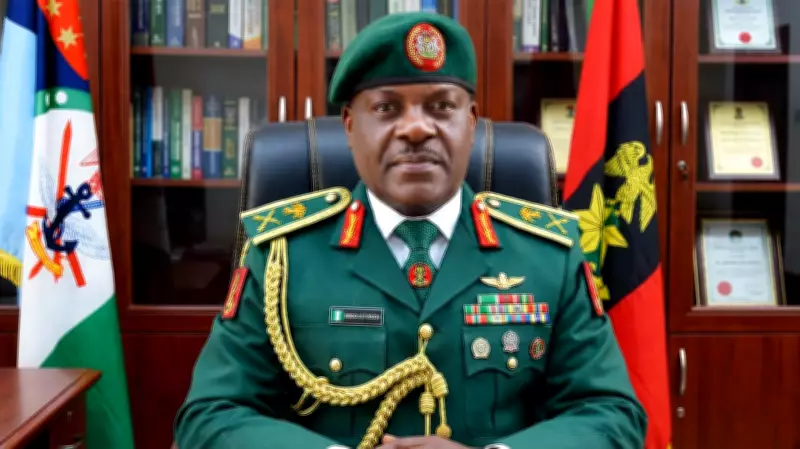
The Nigerian Defence Headquarters has officially confirmed the death of Abu Yahya Al-Muhajir, a senior leader and Shura Council member of the Islamic State West Africa Province (ISWAP) terrorist group. The announcement was made by the Director of Defence Media Operations (DMO), Major-General Michael Onoja, during his monthly briefing on troops' operations across the country's seven operational theatres.
Major Blow to ISWAP Command Structure
Major-General Onoja stated that ISWAP itself has acknowledged Al-Muhajir's death, describing it as a significant loss to the terrorist organization. This confirmation, according to Onoja, highlights the sustained effectiveness and precision of the Armed Forces of Nigeria's (AFN) kinetic operations in systematically degrading ISWAP's command and leadership hierarchy.
The Defence spokesman emphasized that the first quarter of 2026 has demonstrated the unwavering resolve, professionalism, and gallantry of Nigeria's military personnel. He provided comprehensive operational statistics to substantiate this claim, revealing measurable strategic outcomes achieved across all theatres of operation.
Operational Successes and Statistics
The AFN reported substantial gains in its counter-terrorism and counter-insurgency efforts during this period. According to the detailed briefing:
- Scores of terrorists and criminal leaders were eliminated
- 1,359 suspects were arrested in various operations
- 813 kidnapped civilians were successfully rescued
- 197 insurgents voluntarily surrendered to authorities
- 458 firearms and 15,899 rounds of ammunition were recovered from terrorist elements
These figures represent a comprehensive overview of the military's multifaceted approach to addressing security challenges across the nation.
Clarification on Repentant Terrorist Policy
In a significant development, Major-General Onoja directly addressed and refuted circulating insinuations about repentant terrorists being covertly mobilized into the Nigerian military. "We are not recruiting any killers into the Army, and we can never do that," he declared unequivocally during the briefing.
This clarification was further elaborated by Brigadier-General Yusuf Ali, Coordinator of Operation Safe Corridor (OSC). The OSC programme, established in 2016, focuses exclusively on the De-radicalisation, Rehabilitation and Integration (DRR) of low-risk repentant terrorists.
Brigadier-General Ali explained that repentant individuals are carefully categorized into three distinct groups based on risk assessment: low-risk, medium-risk, and high-risk terrorists. The OSC programme specifically handles only those classified as low-risk clients, who are typically individuals conscripted into terrorist groups during the peak of insurgency in Nigeria's North-East region.
The coordinator explicitly denied that participants in the DRR programme are recruited into the military, emphasizing that the programme's objective is civilian reintegration rather than military enlistment.
Strategic Implications and Future Outlook
The confirmation of Abu Yahya Al-Muhajir's death represents a strategic victory in Nigeria's ongoing battle against terrorism. As a senior ISWAP figure and Shura Council member, his elimination disrupts the terrorist organization's decision-making processes and operational planning capabilities.
Meanwhile, the military's transparent disclosure of operational statistics and clear policy statements regarding repentant terrorists aims to address public concerns and misinformation. The detailed breakdown of achievements across multiple metrics demonstrates a comprehensive approach to national security that combines kinetic operations with strategic rehabilitation programmes for appropriate cases.
This development occurs within the broader context of Nigeria's multifaceted security strategy, which continues to evolve in response to emerging threats and operational realities across the nation's diverse conflict zones.