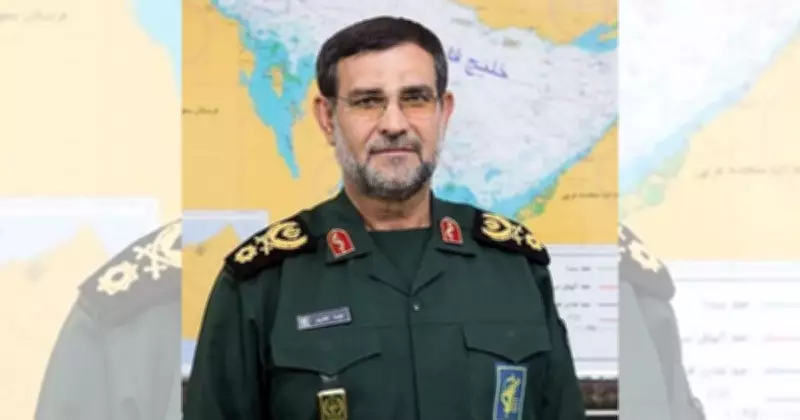
Israeli Airstrike Eliminates Iranian Navy Commander Behind Strait of Hormuz Blockade
In a dramatic escalation of the ongoing conflict between Israel and Iran, Israeli Defense Minister Israel Katz confirmed on Thursday that Rear Admiral Alireza Tangsiri, commander of the Islamic Revolutionary Guard Corps (IRGC) Navy, was killed in a precision airstrike. The operation targeted a high-level military compound in the strategic port city of Bandar Abbas at approximately 3:00 a.m. local time.
Strategic Strike Against Blockade Architect
Tangsiri, a hardline military figure who had commanded Iran's naval forces since 2018, was widely regarded as the primary architect behind Iran's recent efforts to blockade the Strait of Hormuz. His death represents the most significant blow to the Iranian military hierarchy since the commencement of "Operation Roaring Lion" on February 28, marking a pivotal moment in the month-long conflict.
"Today, the man responsible for strangling global trade and threatening international waters has been eliminated," Minister Katz declared in a televised address. "Israel will not allow the Strait of Hormuz to become a hostage to Iranian aggression."
Israeli intelligence officials revealed that Tangsiri was meeting with senior officers to coordinate further mining operations in the Strait when the strike occurred. The Strait of Hormuz, recognized as the world's most critical oil transit point, has seen its recent closure send shockwaves through the global economy, causing gasoline prices to spike worldwide.
Global Economic Implications
The strategic waterway's blockade has had profound economic consequences, with Tangsiri frequently boasting of Iran's capability to "close the faucet" of global energy. His leadership was characterized by a shift toward "asymmetric" naval warfare tactics, employing fast-attack boats and sea mines to challenge larger Western vessels in the region.
While the IRGC has yet to issue formal confirmation of his death, state-affiliated media in Tehran initially dismissed the reports as "Zionist propaganda." However, local reports from Bandar Abbas describe massive explosions and a heavy security cordon around the naval headquarters, suggesting the strike's significant impact.
Critical Timing Amid Ceasefire Efforts
The timing of this military action is particularly critical, occurring as former U.S. President Donald Trump urges Tehran to accept a U.S.-backed 15-point ceasefire proposal. With the Iranian leadership reportedly fractured following several weeks of intense bombardment, the loss of Tangsiri removes a key military strategist at a moment when the regime faces unprecedented pressure.
As the region braces for potential retaliatory measures, international maritime monitors remain on high alert. The elimination of Tangsiri represents not merely a tactical victory for Israel but a decisive development that could either compel Iran to engage in negotiations or trigger a final, desperate escalation in the ongoing naval shadow war.
The death of the Iranian navy commander comes amid broader regional tensions, including recent Iranian strikes on Kuwait's international airport and other Middle Eastern targets. The situation continues to evolve as global powers monitor the potential for further escalation and its implications for international trade and security.