Nigerian Military Achieves Major Successes in March Operations
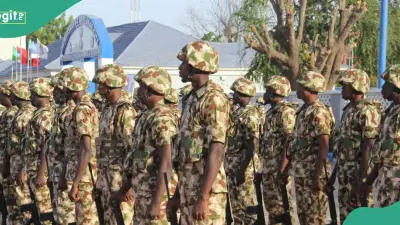
The Defence Headquarters has released comprehensive data highlighting the significant achievements of the Nigerian Armed Forces during the month of March. According to official figures shared on social media platforms, a total of 197 insurgents surrendered to troops, reflecting sustained military pressure and ongoing initiatives to encourage defections from armed groups.
Arrests and Neutralizations in Coordinated Raids
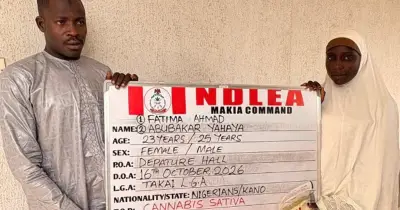
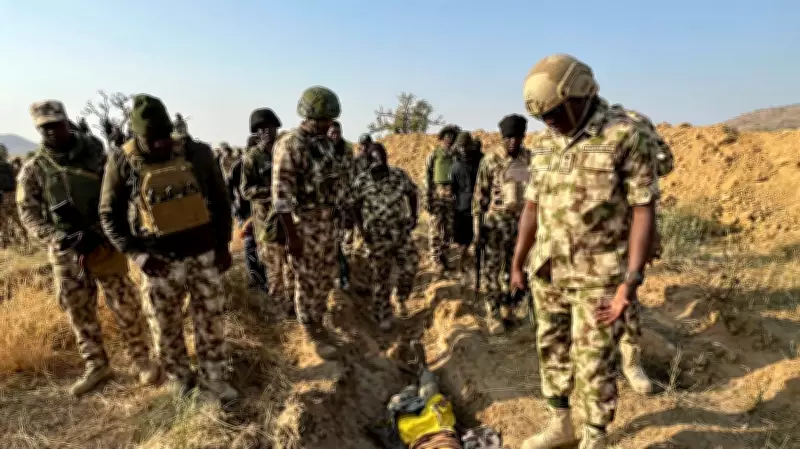
In addition to the surrenders, the military conducted intensified intelligence-led operations, resulting in the arrest of 1,359 suspects. This group comprised terrorists, criminals, illegal miners, and informants, showcasing the breadth of coordinated raids across the nation. Furthermore, troops neutralized 103 terrorists and other criminals, including key ring leaders such as Saddam, Saleh Garin Kago, and Ba Alayi Benbeng, who were targeted for their roles in violent attacks.
Humanitarian and Environmental Gains
On the humanitarian front, the military successfully rescued 813 kidnapped hostages, marking a critical victory in efforts to protect civilians. The report also detailed the destruction of 104 illegal refining sites and related infrastructure in the Niger Delta, as part of a broader crackdown on oil theft and environmental crimes. During these operations, security forces recovered 216,570 litres of illegally refined petroleum products, along with 254 weapons, ammunition, and other supplies, underscoring the scale of illicit activities disrupted.
Historical Context and Ongoing Strategies
Since the beginning of the year, the Defence Headquarters has consistently publicized troops' operational gains, a strategy also employed by terror groups across the Sahel region, including those operating in Nigeria. In a previous scorecard released in January, it was reported that troops rescued 277 kidnapped victims, including some foreign nationals, and destroyed 53 illegal refining sites. In the Niger Delta, recoveries included 210,300 litres of crude oil, 66,725 litres of Automotive Gas Oil (AGO), and 5,000 litres of refined petroleum products.
Government Initiatives for Youth and Peace
In a related development, Minister of Budget and Planning, Abubakar Atiku Bagudu, emphasized the need to address the root causes of insurgency and violent crime. Speaking at a workshop in Abuja to revise the first-ever National Action Plan on Youth, Peace and Security, the former Kebbi State governor highlighted factors such as convoluted religious messaging and a lack of understanding of conflict drivers. He questioned how AK-47 rifles and other weaponry have reached non-state actors, despite Nigeria not manufacturing such arms.
To tackle these challenges, Bagudu advocated for using the National Youth Service Corps (NYSC) as a platform to educate young people on the primary and secondary drivers of conflict, aiming for permanent solutions. Minister of Youth Development, Ayodele Olawande, noted that the workshop provided an opportunity to assess progress in implementing the National Action Plan and explore ways to advance it. Permanent Secretary Dr. Maryam Keshinro added that the workshop is part of a framework designed to engage youth as vanguards of peace and security.
Earlier, Saji Frelis, Global Director of Children and Youth Programmes at Search for Common Ground, revealed that Nigeria was the first African country to develop a National Action Plan on Youth, Peace and Security, with the current meeting focused on creating a forward-looking second plan.