Nigeria's Security Crisis Deepens: Another General Falls in Benisheikh Attack
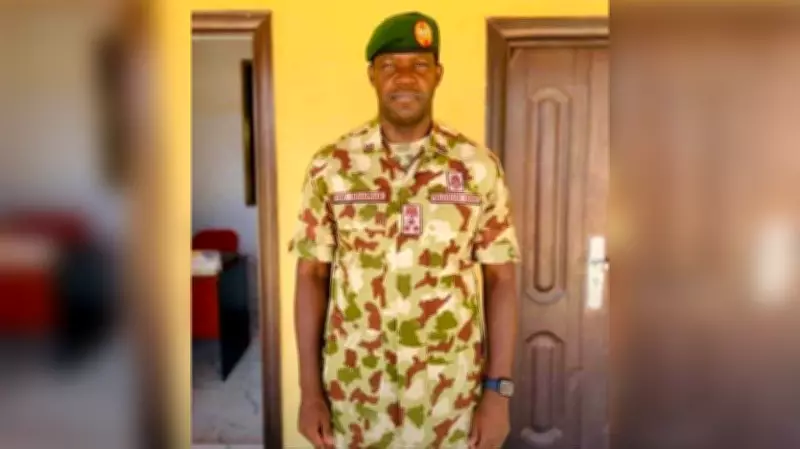
The untimely death of Brigadier-General Oseni Omoh Braimah, commander of the 29 Task Force Brigade in Maiduguri, during a coordinated assault on a military base in Benisheikh in April 2026, is not merely a tragedy but a stark alarm for the nation. This incident underscores a chilling reality: a country that cannot protect its foot soldiers offers little promise of safety to ordinary citizens. The attack signals that the line between order and breakdown is perilously thin, demanding immediate confrontation of hard truths.
A Pattern of High-Level Losses
The Braimah tragedy is not an isolated failure. In November 2025, Brigadier-General Musa Uba, commanding the 25 Task Force Brigade, was ambushed, captured, and executed by militants linked to the Islamic State West Africa Province in Borno State. Two senior officers lost within months are not routine battlefield casualties; they represent high-level losses within layered security environments supported by intelligence, personnel, and infrastructure. These deaths point beyond individual vulnerability to systemic strain, questioning whether Nigeria's security systems are holding at all.
When the Shield Fails: Military Bases Under Siege
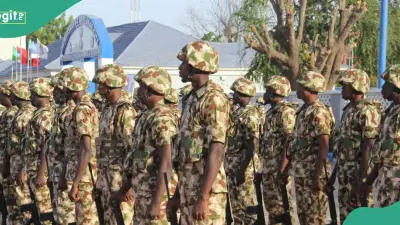
Military bases are designed as anchors of control, concentrating force, intelligence, and logistics to project strength and reassure communities of state presence. The Benisheikh attack challenges this assumption, with reports indicating a coordinated assault lasting several hours that overwhelmed defences and inflicted significant casualties. In such scenarios, response capacity—reinforcement timelines, air support, and communication chains—becomes critical. When a fortified position is breached, it raises unavoidable questions about support systems. Courage without support becomes sacrifice, and repeated sacrifice without systemic correction leads to recurrent failure.
Implications for Civilian Safety and Trust
If hardened installations can be overrun, what confidence can civilians draw about their own safety? Nigerians today are exposed to layered uncertainty, navigating violence, crime, and instability with limited protection. Each incident erodes trust in institutions, a sentiment strained by persistent concerns. Voices like Commodore Kunle Olawunmi have raised suspicions about internal compromise and knowledge of insurgency sponsors, while former President Goodluck Jonathan warned of infiltration within government and security architecture. These issues reflect a deficit of confidence, weakening cooperation and collective resilience.
Weight of Unequal Justice and Public Perception
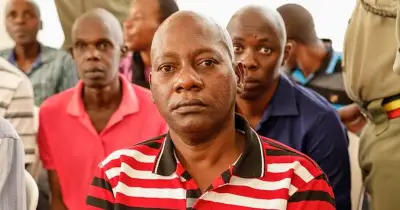
Vulnerability extends beyond the battlefield, reinforced by court verdicts that appear disconnected from reality. The case of Sunday Jackson, a farmer sentenced to death for defending himself against an attack, illustrates this tension. Public perception focuses on outcomes, not legal technicalities, seeing a man punished for survival. Meanwhile, high-profile political disputes often move through the system with different speeds and flexibility, shaping how citizens understand justice. When justice seems uneven-handed, its authority weakens, further eroding trust.
Navigating a Dangerous Threshold
As citizens question the state's ability to safeguard them, the gap between expectation and reality widens, fostering frustration. Ignoring this does not make it disappear; acknowledging it is necessary to prevent crossing a dangerous threshold. The answer to state weakness cannot be lawlessness, but reform requires honest assessment of operational gaps, accountability for failures, and investment in coordination, intelligence, and institutional integrity. Citizens expect seriousness, not perfection, from leadership that thinks clearly and acts decisively.
Conclusion: A Call for Clarity and Action
Nigeria stands at a juncture requiring clarity about threats and system performance. Nations collapse not only when attacked but when failure becomes familiar and outrage fades. If a Brigadier-General can be killed in a secure place, the illusion of safety has eroded. May Brigadier-General Braimah's memory serve as a blessing, prompting urgent reforms to restore trust and protect all Nigerians from becoming the next victim in this deepening crisis.