Federal Government Orders Police Redeployment from VIP Escorts to Frontline Security
The Federal Government has mandated the immediate withdrawal and strategic redeployment of Nigeria Police Force officers previously assigned to VIP escort and protection duties across the nation. This significant security restructuring was officially announced on Friday, February 13, by the Minister of Information and National Orientation, Mohammed Idris, who emphasized that this move constitutes a crucial component of broader efforts to reinforce the country's security architecture.
Strategic Shift from Private Protection to Public Safety
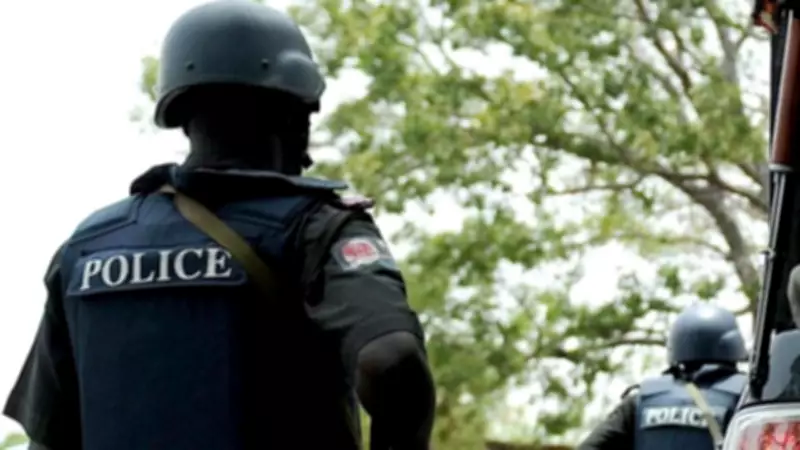
"Further strengthening the security architecture, the Nigeria Police Force has executed a large-scale redeployment of officers previously assigned to VIP escort duties nationwide," Minister Idris declared. This decision represents a fundamental policy shift, redirecting focus from protecting private individuals toward enhancing public safety and community security. The announcement follows closely after a devastating attack in Kwara State that resulted in the tragic loss of at least seventy-five villagers.
For many years, the assignment of police personnel to private VIP protection has attracted substantial criticism from security experts and citizens alike. Concerns have consistently been raised that this practice significantly reduced available manpower for essential community policing initiatives and frontline security operations. According to Minister Idris, the latest large-scale redeployment directly addresses this longstanding imbalance by returning thousands of trained officers to critical frontline duties where they are most urgently needed.
Immediate Deployment to High-Risk Areas
The minister confirmed that redeployed officers have already been integrated into key security structures, with immediate personnel boosts implemented in several high-risk states including Kwara, Plateau, Benue, Kogi, Nasarawa, Niger, and the Federal Capital Territory. Security presence has also been intensified around places of worship, with increased visible deployment around churches during Sunday services, coordinated in partnership with community and faith leaders to ensure comprehensive protection.
According to Minister Idris, President Bola Tinubu's counter-terrorism approach remains fundamentally Nigerian-led and sovereignty-driven. However, the government maintains openness to strategic cooperation with international partners, particularly regarding intelligence sharing, surveillance capabilities, and reconnaissance support where such collaboration aligns with Nigeria's national interests and security objectives.
Background: The Kwara State Tragedy
The renewed security measures follow a gruesome attack that occurred on Tuesday evening when armed gunmen stormed the Woro community and neighboring Nuku area in Kwara North around 5:30 p.m., killing at least seventy-five people. The attackers reportedly set multiple shops ablaze, torched the residence of a traditional ruler, and forced terrified residents to flee into nearby bushes for safety.
The Northern States Governors' Forum strongly condemned the killings in Kwara, Katsina, and Benue states, describing the attacks as "barbaric, senseless, and a direct assault on the collective conscience of the nation." Kwara State Governor Abdulrahman AbdulRazaq characterized the incident as a "pure massacre," confirming that victims had received proper burial according to local customs and traditions.
Presidential Response and Military Reinforcement
In direct response to the escalating security situation, President Tinubu has ordered the deployment of an army battalion to Kwara State to reinforce security operations and restore calm in the affected communities. This military reinforcement complements the police redeployment initiative, creating a multi-layered security approach designed to address both immediate threats and long-term stability concerns.
The comprehensive security restructuring demonstrates the Federal Government's commitment to reallocating resources where they are most critically needed, prioritizing public safety over private protection, and responding decisively to security challenges facing communities across Nigeria.