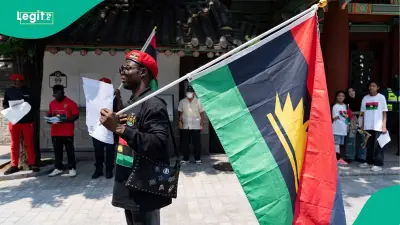
Another group of 271 evacuated Nigerians arrived safely in Lagos from South Africa on Tuesday, as the Federal Government pressed ahead with its emergency evacuation programme amid escalating anti-immigrant tensions in the host country. The Air Peace flight touched down at the Murtala Muhammed International Airport shortly before 11 a.m., marking the latest phase of the government's efforts to bring citizens home following growing security concerns linked to violence targeting migrants.
Evacuation Amid Rising Fears
The return comes as fears mounted in South Africa over planned anti-migrant protests, with reports of businesses shutting down, workers staying home, and thousands of foreign nationals fleeing affected areas. The demonstrations, which have spread across parts of South Africa, including Johannesburg and Durban, have disrupted business activities and raised fears of further violence. Workers stayed away from their jobs in several areas, while some businesses remained closed and public transport services were affected as protesters gathered.
Authorities maintained that the evacuation exercise would continue to assist Nigerians willing to return home following the security concerns. The latest return is part of a broader programme coordinated by the Nigerian government to repatriate its citizens from South Africa, where anti-immigrant sentiment has been on the rise.
Why Are Nigerians Leaving South Africa?
The evacuation is a direct response to the deteriorating security situation for foreign nationals in South Africa. The demonstrations against undocumented migrants have fuelled anxiety among migrant communities, many of whom have remained indoors over concerns that the protests could escalate into attacks. Thousands of foreign nationals were reported to have left their homes or sought safer locations ahead of a deadline issued by protest organisers for undocumented migrants to leave the country.
Recent reports indicate that at least five people have been killed since the demonstrations began in April. Thousands more have reportedly been displaced, while homes, businesses, and other property belonging to foreign nationals have been vandalised. Although the organisers of the protests have denied promoting violence, migrant communities remain worried about their safety. Previous outbreaks of xenophobic violence in South Africa have often affected foreign nationals regardless of whether they possessed valid immigration documents.
Voices from the Ground
One protester, Silindile Xaba, said unemployment among South Africans was driving public frustration. “People are not working, the jobs are being taken by illegal foreigners. It's not fair,” she said. This sentiment reflects a broader discontent that has fuelled the demonstrations, despite official denials of incitement to violence.
The Nigerian government has reiterated its commitment to protecting its citizens abroad, and the evacuation programme is expected to continue as long as the security situation in South Africa remains volatile. The arrival of the 271 evacuees in Lagos brings the total number of Nigerians repatriated in recent weeks to several hundred, with more flights planned.