The Independent National Electoral Commission (INEC) has revealed that 46,983 registered voters have been displaced in Plateau State following recent attacks. The commission has outlined a special voting strategy to ensure these displaced persons can still participate in the upcoming 2023 general elections.
Displacement Figures and Locations
According to INEC, the displaced voters are spread across three local government areas: Barkin Ladi, Riyom, and Jos South. The attacks, which occurred in late 2022, forced thousands of residents to flee their homes, disrupting their ability to vote from their original polling units.
The commission's Resident Electoral Commissioner (REC) for Plateau State, Dr. Oliver Agundu, disclosed the figures during a stakeholders' meeting in Jos. He said, "We have identified 46,983 registered voters who have been displaced. These are voters who are still within the state but cannot access their polling units due to security challenges."
Special Voting Strategy
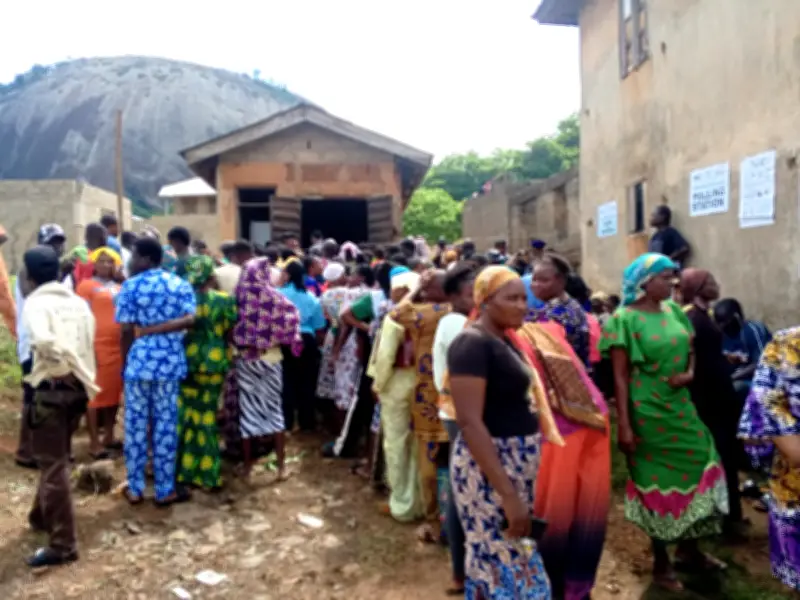
INEC has designed a strategy to enable displaced voters to cast their ballots. The plan involves setting up special voting centers in designated locations where displaced persons have sought refuge. These centers will be equipped with the necessary voting materials to ensure a smooth process.
Dr. Agundu explained, "We are working with security agencies and community leaders to identify safe locations for these special centers. The goal is to make sure no registered voter is disenfranchised because of the unfortunate attacks."
The commission also plans to deploy additional staff to these centers to manage the expected influx of voters. INEC has assured that all necessary measures will be taken to maintain the integrity of the voting process.
Challenges and Security Concerns
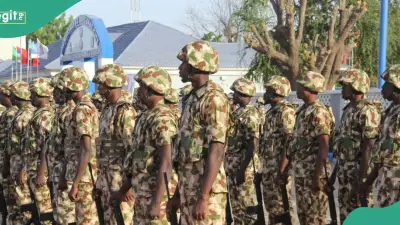
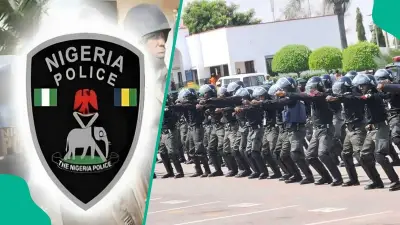
Despite the plan, INEC faces significant challenges. Security remains a major concern, as the areas affected are still volatile. The commission is collaborating with the Nigerian Police Force, the military, and other security agencies to provide adequate protection for voters and election officials.
Another challenge is the logistics of transporting voting materials to the special centers. INEC has stated that it will utilize helicopters and armored vehicles where necessary to ensure timely delivery.
Stakeholder Reactions
Stakeholders at the meeting expressed mixed reactions. Some praised INEC for its proactive approach, while others raised concerns about the feasibility of the plan given the security situation. A representative of the Plateau State government, Mr. Dan Manjuk, said, "We appreciate INEC's efforts, but we urge them to ensure that the special centers are truly secure. We cannot afford to have another tragedy during the elections."
Civil society organizations also called for transparency in the implementation of the strategy. They emphasized the need for adequate sensitization of displaced voters about the location of special centers and the voting process.
Broader Context
Plateau State has experienced recurring communal clashes and attacks, leading to the displacement of thousands over the years. The 2023 elections are seen as a test of the country's ability to conduct credible polls in the face of security challenges.
INEC has assured that it is committed to ensuring that all eligible voters, including those displaced, can exercise their franchise. The commission has also urged political parties and candidates to avoid any actions that could exacerbate tensions in the affected areas.