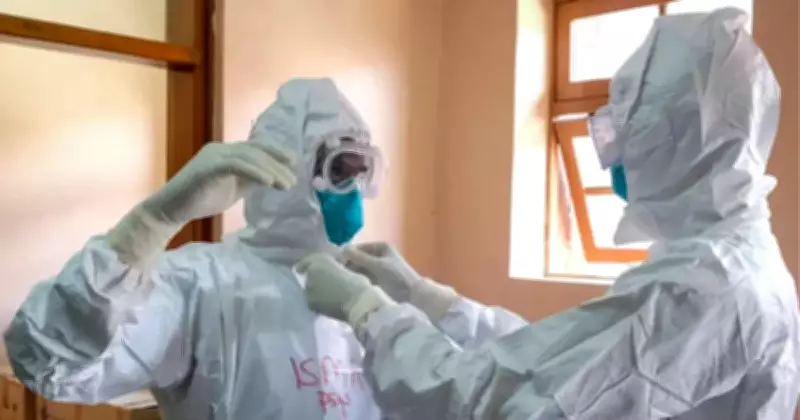
The Nigeria Centre for Disease Control and Prevention has warned that Nigeria faces a high risk of Ebola importation as fresh outbreaks continue in parts of East and Central Africa, especially in the Democratic Republic of the Congo and Uganda. Although there is currently no confirmed Ebola case in Nigeria, health authorities say increased international travel, cross-border movement, and regional transmission have raised concerns about the virus finding its way into the country.
NCDC Assessment and Response
In a statement released on Sunday, NCDC Director-General Jide Idris said the agency's latest assessment classified the threat level as high. "This assessment estimated the risk of Ebola importation into Nigeria as high due to the ongoing transmission in the DRC and Uganda, international travel and population movement, uncertainty regarding the full magnitude of the outbreak, and the potential for delayed recognition because symptoms may overlap with endemic diseases such as malaria and Lassa fever," the statement read.
Port Health Services and NCDC officials have intensified screening at Nigeria's international gateways following the World Health Organization's declaration of a global health emergency. The NCDC has activated emergency response systems, strengthened surveillance, and urged the public to follow health guidelines and avoid misinformation.
How Ebola Spreads Across Borders
Ebola is a severe viral disease that spreads through direct contact with the blood, body fluids, or contaminated materials of an infected person or animal. It does not spread through the air like COVID-19, but it can move quickly across borders through human travel and physical contact. Health experts say diseases like Ebola often travel internationally through infected travellers crossing borders before symptoms become severe, busy airports and transport routes, movement between neighbouring countries for trade or family visits, weak border health screening systems, and delayed diagnosis because symptoms resemble malaria, typhoid, or Lassa fever.
Early Ebola symptoms often mimic malaria or typhoid, making a high index of suspicion critical for Nigerian healthcare workers. The recent imported case reported in Uganda, linked to the outbreak in the DRC, has increased fears of wider regional spread.
Vulnerable States in Nigeria
According to the NCDC, some Nigerian states are already considered vulnerable because they are close to land borders, international entry points, and major transport corridors. The agency did not list the states in the statement, but border states and commercial hubs are usually considered higher risk during disease outbreaks because of heavy movement of people and goods. Nigeria previously recorded an Ebola outbreak in 2014 after an infected traveller arrived in Lagos from Liberia. The country was later praised globally for successfully containing the virus through aggressive contact tracing and emergency response measures.
Emergency Response Measures Activated
As part of efforts to prevent another outbreak, the NCDC said the national Emergency Operations Centre has been placed on alert mode while the country's incident management system has been activated. The agency said Nigeria still has important structures and trained personnel from previous Ebola responses. "It also must be noted that Nigeria maintains important response capacities, including laboratory capability, trained rapid response teams, functional emergency operations centres, established Viral haemorrhagic fever preparedness structures, and prior experience in successfully responding to Ebola and other viral haemorrhagic fever outbreaks," the statement added. Epidemiologists and rapid response teams are also on alert for rapid deployment to any affected state, if required. The NCDC also said laboratories around international entry points have been placed on standby, while sample transportation and testing systems are being strengthened for faster detection of suspected cases.
How Nigerians Can Protect Themselves
Public health experts stress that regular handwashing and avoiding contact with sick individuals remain the most effective defenses against the virus. Health authorities advised Nigerians not to panic but to remain cautious and practice preventive measures. Experts say the best protection against Ebola includes avoiding direct contact with blood or body fluids of sick people, washing hands regularly with soap and clean water, avoiding contact with dead animals or bush meat from affected regions, reporting suspected symptoms quickly to health authorities, and following verified health information instead of rumours online.
Common Ebola symptoms include fever, weakness, muscle pain, sore throat, vomiting, diarrhoea, and in severe cases, bleeding. The NCDC said it is also intensifying public awareness campaigns to stop misinformation and false claims about the disease. "NCDC is strengthening public awareness and risk communication activities, intensifying social listening and rumour management systems, and working with media organizations, healthcare professionals, community leaders, and digital platforms to amplify credible information and promote responsible public discourse," the statement said. The agency has also developed and disseminated Ebola Myths and Facts materials to address misinformation and false claims circulating online.