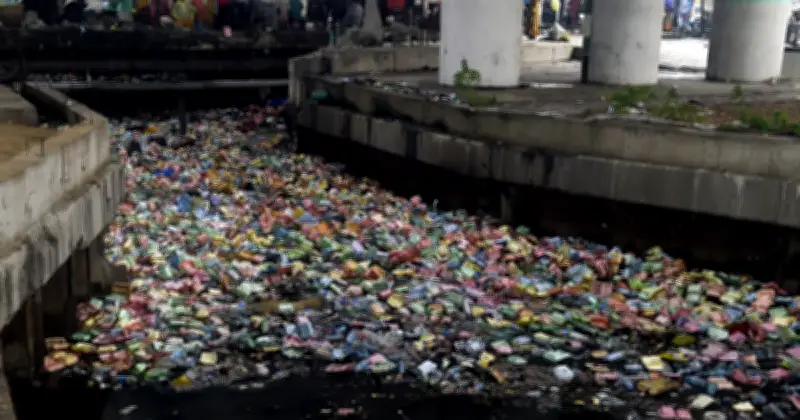
Lagos State has approved the immediate dredging and maintenance of 28 primary drainage channels across the state, following heavy rainfall that triggered flooding over the past two weeks. The state government also warned residents against dumping refuse into drains and waterways, which exacerbates flooding.
Approval for Dredging Announced
The approval was announced by the Commissioner for Environment and Water Resources, Tokunbo Wahab, who described the recent downpours as an extreme weather event. He noted that the rainfall produced an unusually high volume of water in a short period, overwhelming drainage infrastructure in several areas.
Governor Babajide Sanwo-Olu authorized the dredging after flooding affected multiple communities, including Victoria Island, Lekki, Ikeja, Gbagada, Mushin, and Mafoluku. Wahab stated that the flooding was not unique to Lagos, as the same rainfall system affected other parts of Africa and sections of North America on the same day.
Geographical Challenges Exacerbate Flooding
Wahab pointed to a structural challenge that makes Lagos particularly vulnerable during heavy rainfall: the interaction between the Atlantic Ocean, Lagos Lagoon, and the state's network of rivers and creeks. During high tide, this interaction naturally slows the rate at which stormwater drains into the sea, causing temporary flooding in low-lying areas even when drainage channels are functioning.
According to the commissioner, at least 13 people were killed in flooding in Ghana over the past week, highlighting the regional impact of the extreme weather.
Residents Urged to Stop Harmful Practices
Beyond geographical challenges, Wahab urged residents to avoid behaviors that compound the problem during intense rainfall. He specifically warned against dumping refuse into drains and waterways, carrying out illegal reclamation of wetlands, and erecting structures on drainage alignments. These practices obstruct the free flow of stormwater and make flooding significantly worse.
"The effects of climate change are becoming increasingly evident across the world, with coastal cities experiencing more frequent and intense rainfall events," Wahab said.
Emergency Response and Next Steps
The commissioner assured residents that emergency response agencies remain on the ground across affected communities and that the state government is actively monitoring drainage infrastructure and major water channels. He called for calm, describing the flooding as temporary and assuring the public that the approved dredging work is already being mobilized.
Lagos has experienced recurring seasonal flooding for years. Experts and residents frequently point to blocked drains, rapid urban development on flood plains, and proximity to the lagoon as compounding factors alongside rainfall intensity.