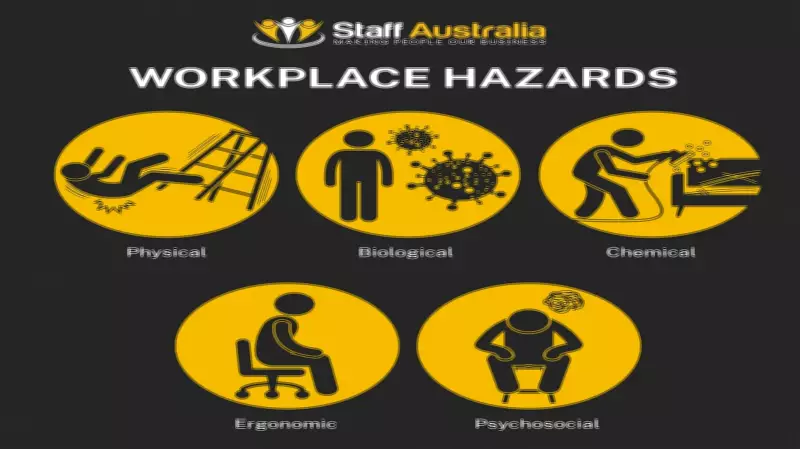
In the face of rising business management burdens, safety practices should not bear the brunt of harsh cost-cutting measures. With over three million deaths caused by unsafe practices within the world of work, environmental safety goes beyond mere regulation; it is essential for productivity, employee health, and long-term organisational success.
The Importance of a Safe Workplace
Across various industries, ensuring a safe and healthy workplace is crucial. Beyond meeting regulations, prioritising safety leads to fewer injuries and higher employee morale, offering extensive benefits. Dr Yetunde Odusolu, a consultant public health physician at Ikorodu General Hospital, states: “A safe working environment is vital for employees’ well-being and productivity.” She highlights that the International Labour Organisation (ILO) has established a safe and healthy workplace as a fundamental right and principle. Member countries, through their ILO membership, are required to uphold and promote this principle genuinely.
Global Statistics on Workplace Injuries
While many view safety through the narrow lens of accident prevention, the broader implications paint a more compelling picture. Global labour statistics indicate that about 2.93 million workers die each year due to work-related causes. Furthermore, a staggering 395 million people around the world suffer non-fatal work injuries each year. In addition to physical injuries, approximately 2.41 billion workers are exposed to extreme heat, leading to ongoing stress and exhaustion. These figures are more than mere numbers; they represent real individuals, families, and communities affected by insufficient workplace safety practices.
Defining a Healthy Workplace
The World Health Organisation (WHO) broadens the traditional concept of safety by defining a healthy workplace as one that includes not only a lack of harmful conditions but also the presence of health-promoting environments. Such environments promote both physical and mental health, enabling employees to excel and perform at their best. Essentially, a healthy workplace is one where employees feel supported, appreciated, and motivated. It helps reduce absenteeism, lowers sickness rates, prevents conflicts, and ultimately leads to lower turnover.
Physical and Mental Safety Aspects
To foster a safe environment, organisations need to focus on both physical and mental safety aspects. Odusolu underlines the significance of reducing physical hazards by implementing proper lighting, ergonomic setups, and well-maintained tools. Ensuring clear pathways and safety signs is crucial to prevent accidents and help employees navigate risky zones safely. She also stresses regular maintenance and infrastructure updates to prevent mechanical issues that could pose safety risks. However, focusing solely on physical safety is insufficient. Odusolu highlights the often-neglected but equally vital importance of mental health in the workplace. “Acknowledgement, awareness, and addressing employees’ mental health and well-being create a supportive environment,” she notes. Companies need to develop policies that promote work-life balance, minimise excessive job demands, and provide stress management tools. Ensuring access to mental health resources and fostering open discussions about emotional well-being assist employees in managing the stresses of contemporary work life.
Harassment and Bullying Prevention
Additionally, a secure workplace must be devoid of harassment, bullying, and violence. Organisations should establish strong policies that explicitly outline unacceptable conduct and offer safe reporting mechanisms. Cultivating a culture rooted in respect and inclusion—where diversity is valued and teamwork is promoted—helps employees feel a sense of belonging and psychological safety. Odusolu explains that a workplace culture fostering respect, trust, and collaboration can greatly boost employee engagement. He emphasises that organisations should value diversity, acknowledge employee contributions, and foster a supportive environment that upholds dignity and labour rights.
Ongoing Commitment to Safety
An organisation’s commitment to safety should be an ongoing effort, not a one-time task. Regular evaluations, audits, and risk assessments are crucial for spotting vulnerabilities and updating safety policies to meet changing challenges. Odusolu recommends consistently gathering employee feedback to help employers refine strategies and build trust. Safety policies need to go beyond written documents and be consistently integrated into daily leadership decisions and actions. She mentioned that establishing a safe work environment offers many advantages. “When employees feel secure and protected, they tend to be more focused, motivated, and efficient. Naturally, productivity improves when people are not preoccupied with dangers or dealing with unsafe conditions. Promoting a safety culture elevates morale, fosters employee loyalty, and encourages creativity. Additionally, it improves the organisation’s public image, gaining respect from customers, partners, and the wider community.”
Staff Retention and Productivity
Safe workplaces are crucial for staff retention. When employees see that their well-being is valued, they tend to stay loyal to the organisation. This reduces absenteeism and enhances teamwork through increased mutual trust among colleagues. By fostering wellness, encouraging collaboration, and supporting employee growth, organisations can cultivate a resilient and highly engaged workforce. Odusolu emphasises the importance of both employees and employers in reaching this common objective. Employees need to assume personal responsibility by following safety protocols, reporting hazards, and engaging in training. Staying proactive and aware of safety policies related to their roles is essential. Additionally, maintaining open communication with supervisors about potential risks or suggestions for enhancement helps build a culture of accountability.
Employer Responsibilities
Employers are responsible for setting the tone at the top. “They must develop and enforce clear safety policies,” says Odusolu. These policies need regular updates to stay aligned with industry standards, regulations, and new trends. Essential elements of a safe workplace include providing personal protective equipment, safety training, and holding regular workshops. Risk assessments, including fire drills and emergency preparedness exercises, should be integrated into an organisation’s regular routines. Employers are responsible for educating staff about evacuation routes, emergency contacts, and safety muster points. Using visual reminders, safety signage, and digital communication tools can help reinforce these important safety messages. Most importantly, companies should recognise and reward employees who exhibit safety-conscious behaviours, such as infection prevention and control (IPC). This recognition can motivate others and reinforce safety as a key workplace value. Odusolu suggests appointing IPC champions within departments to serve as role models.
Employee Welfare and Health
Beyond safety considerations, employee welfare should be prioritised. Conducting pre-employment medical screenings, regular health assessments, and offering comprehensive health insurance demonstrate an employer’s genuine concern for their employees. Ultimately, a healthy workforce contributes to greater productivity. In her final remarks, Odusolu emphasises the importance of a collaborative approach to workplace safety. She states, “Cooperation between employees and employers through communication and collaboration should be the strategy for envisioning, embracing, and sustaining a healthy, safe, and secure workplace. By working together, organisations can not only achieve their business goals but also foster an environment where every worker feels safe, respected, and empowered to succeed.”
Workplace Safety in Nigeria
Workplace safety in Nigeria has become a pressing concern as ongoing incidents at job sites continue to cause fatalities and serious injuries. Dapo Omolade, the National Coordinator of The Safety Advocates, emphasised the importance of establishing a robust legal framework to empower Occupational Safety and Health (OSH) professionals to enforce safety standards effectively both within workplaces and in the wider society. Omolade pointed out that current safety measures are insufficient, noting that many workplace accidents are entirely preventable but still lead to unnecessary injuries, illnesses, and death, with devastating impacts on individuals, families, and communities. Echoing these concerns, Eco Online emphasises that a safer workplace benefits everyone. A key step is prioritising education and fostering a culture where safety is everyone’s responsibility. Workers should feel empowered to report unsafe conditions immediately, without fear of blame or retaliation, since concealing hazards raises the risk of serious accidents. Consistent use of personal protective equipment (PPE) is crucial for a safe workplace. Workers might occasionally be tempted to skip gear like goggles, gloves, or helmets for quick jobs, but such choices can cause severe injuries. Supervisors and team leaders should regularly remind employees that PPE exists to safeguard their health and safety.