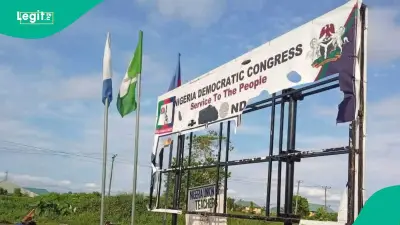
Nigeria’s crude oil output is under fresh threat following the shutdown of 13 oil flow stations in Delta State by protesting communities, raising concerns over a potential loss of about 400,000 barrels per day (bpd). The affected facilities, operated by Shell Petroleum Development Company, Chevron Nigeria Limited, and Nestoil/Neconde, were reportedly taken over by hundreds of women and youths from Gbaramatu, Ogbe-Ijoh, Isaba, Egbema and Diebiri Kingdoms.
Impact on Oil Production
Industry sources indicated that the shutdown could significantly impact Nigeria’s already fragile oil production levels, with the seized assets collectively contributing around 400,000bpd. The disrupted flow stations include Odidi 1 and 2, Batan, Ogbanabou, Jones Creek, Otunana, Egwa 1 and 2, Abiteye, Makaraba, Olero Creek, Dibi Field and Opuekeba. Protesters were said to have forced out security personnel and workers before occupying the facilities. They also blocked waterways, preventing the delivery of essential logistics to the affected oil companies, thereby compounding operational challenges.
Root Cause of the Protest
The protest stems from grievances over the failure to implement a ward delineation exercise conducted by the Independent National Electoral Commission (INEC) in Warri Federal Constituency. The aggrieved groups, largely of Ijaw extraction, accused their Itsekiri neighbours of orchestrating efforts to stall the implementation of the delineation report, which they argue was duly completed by INEC in compliance with a court directive. Tensions had escalated in the constituency less than 24 hours before the shutdown, with Ijaw and Urhobo stakeholders vowing to halt oil production if the delineation report was not enforced.
Protesters' Demands
Placards displayed by protesters bore inscriptions such as “No Implementation, No Production” and “INEC: Implement Warri Delineation Report,” underscoring their resolve. Speaking on behalf of the protesters, Maria Ebike accused INEC of deliberately delaying the process, despite having concluded consultations and presented its final report in Asaba in May 2026. She further alleged that unnamed powerful interests were working behind the scenes to frustrate the implementation of the report. “We have waited patiently for the authorities to do the right thing. Since they continue to ignore our voices, we have no option but to demand justice through peaceful protests,” she said.
The dispute traces its roots to a 2022 Supreme Court of Nigeria ruling that ordered a fresh ward delineation in the constituency to address long-standing representation concerns.