The Defence Headquarters (DHQ) has dismissed reports alleging mass civilian casualties following a recent airstrike in Zamfara State, insisting that there is no credible or substantiated evidence indicating civilian deaths from the military operation conducted in the Zurmi Local Government Area.
Clarification on Airstrike Aftermath
The clarification comes amid conflicting accounts over the aftermath of the airstrike reportedly carried out on Tumfa market, where some local sources and international organisations had claimed significant loss of civilian lives. While reports attributed to AFP suggested that at least 72 people may have been killed in the strike, with some community leaders alleging that bodies were severely mutilated and difficult to identify, the military has strongly disputed those figures.
Human Rights Concerns
Human rights organisations, including Amnesty International, had also raised concerns, claiming that the death toll could exceed 100 and that several injured victims were receiving treatment after the incident. The organisation further alleged that mass burials took place in affected communities. However, the DHQ has maintained that such claims are not supported by official findings or verified independent assessments.
Military's Position
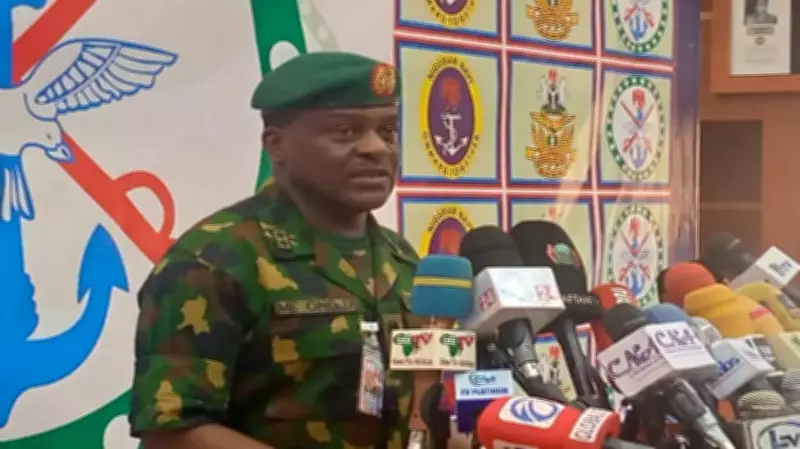
Speaking on the matter, Director of Defence Media Operations, Major General Michael Onoja, stated that the air operation was conducted in line with international humanitarian law and was based on credible intelligence targeting a confirmed high-level gathering of terrorist leaders. According to him, the military operation was carefully planned using multi-sourced intelligence aimed at neutralising armed elements operating within the area, not civilian populations.
He stressed that at no point during preliminary assessments was there any verifiable evidence confirming civilian casualties as reported in some media accounts. Onoja explained that while immediate ground verification can be challenging in such operations due to security risks and ongoing threats in affected areas, post-strike evaluations indicated that several terrorists were successfully neutralised.
Commitment to Precision
He added that the Nigerian military remains committed to ensuring precision in its operations and minimising collateral damage while sustaining pressure on terrorist groups operating in the North-West region. The DHQ further emphasised that misinformation or unverified casualty figures can undermine ongoing counterterrorism efforts and create unnecessary panic among affected communities.
Challenges in Volatile Regions
Security analysts note that air operations in volatile regions such as Zamfara often generate conflicting narratives, particularly when conducted in areas where armed groups operate within or near civilian settlements. They also highlight the difficulty of independently verifying casualty figures in remote or insecurity-prone communities where access for journalists and humanitarian observers is often restricted.
Call for Verified Information
The military has reiterated its commitment to transparency and adherence to international standards of engagement, urging the public and media organisations to rely on verified official briefings when reporting sensitive security operations. The latest development underscores ongoing tensions between military authorities and human rights organisations over the human cost of counterinsurgency operations in Nigeria's north-west region.
As investigations and assessments continue, the DHQ insists that its focus remains on degrading terrorist capabilities while protecting civilian lives within operational constraints.