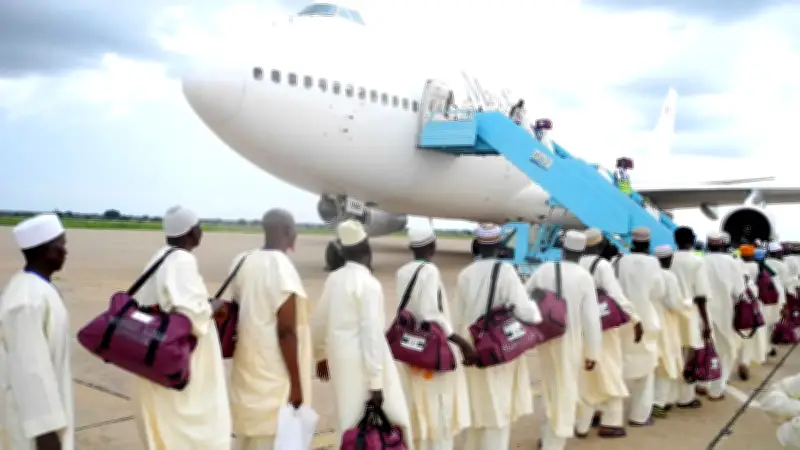
The Executive Chairman of the Kaduna State Pilgrims Welfare Agency, Malam Salihu Abubakar, has confirmed that animal sacrifices, known as Hadaya, have been performed for all pilgrims who made payments through the agency. This clarification addresses complaints from some pilgrims who alleged that they paid for Hadaya but saw no evidence that rams were slaughtered on their behalf to fulfill their Hajj obligations.
Background of the Complaint
A statement issued by the Chief Press Secretary to Governor Uba Sani, Malam Ibraheem Musa, on Tuesday explained that Hadaya refers to the payment made by pilgrims for animals to be slaughtered on their behalf on the 10th of Dhul Hijjah. The statement noted that some pilgrims had petitioned the National Hajj Commission of Nigeria (NAHCON), claiming that the sacrifices were not carried out despite their payments.
Chairman's Response
Addressing the pilgrims, Abubakar said the names of all those who paid for Hadaya had been displayed at the pilgrims’ residence and advised pilgrims to check accordingly. He challenged any pilgrim from Kaduna State with valid proof of payment whose name was missing from the list to report for further investigation.
Payment Details
According to him, 827 intending pilgrims paid their Hadaya in Nigeria before departing for Saudi Arabia through the Kaduna State Pilgrims Welfare Agency, while 47 others paid through NAHCON. Another 54 pilgrims made payments in Saudi Arabia, bringing the total to 928 pilgrims, amounting to 668,160 Saudi Riyals.
He said only a few pilgrims had presented receipts but were not reflected on the displayed list, adding that investigations revealed such payments were made through Point of Sale (POS) platforms and did not properly reflect the pilgrims’ names.
Resolution and Assurance
Abubakar said the issue had been resolved, stressing that the Special Hajj Committee of the Kaduna State Pilgrims Welfare Agency was acting in trust for Governor Uba Sani and would not engage in any act capable of undermining public confidence or shortchanging pilgrims. He assured that the committee remained committed to transparency and accountability in the management of Hajj operations.