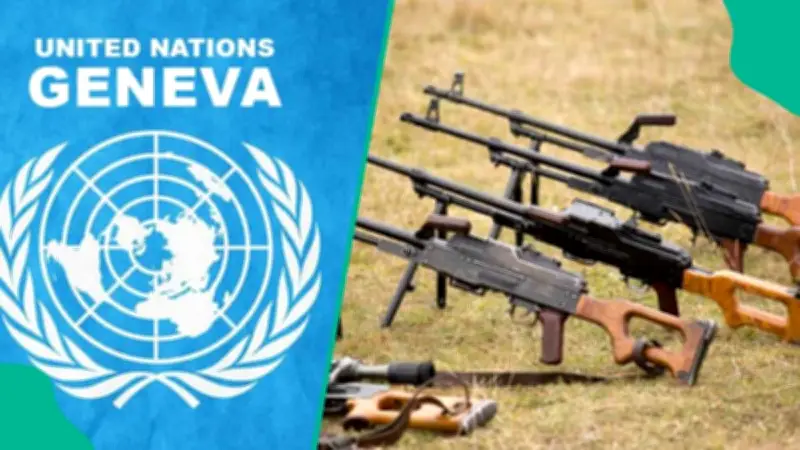
The United Nations has issued a stark warning that weapons looted during the 2011 crisis in Libya have been traced to extremist groups operating in Nigeria. Izumi Nakamitsu, the UN under-secretary-general and high representative for disarmament affairs, disclosed this during a session at the UN Headquarters in New York, where delegates discussed the global spread of illicit firearms and their impact on security and peace.
How Stolen Weapons Are Used
Nakamitsu explained that weapons stolen or diverted during armed conflicts often continue to fuel violence long after the original conflicts have ended. She noted that these arms have become a major contributor to terrorism, instability, and organized crime across national borders. The weapons were looted during the uprising that led to the removal of former Libyan leader Muammar Gaddafi and were later found in several Sahel countries, including Nigeria.
According to Nakamitsu, the weapons were recovered from extremist groups in the Sahel region, demonstrating how arms from one conflict can destabilize areas far beyond their original zones. The UN representative emphasized the need for international cooperation to curb the flow of illicit firearms.
Nigerians React to UN Report
The report has sparked reactions from Nigerians, many of whom expressed frustration that past warnings about arms proliferation were ignored. Uthman Ibraheem recalled that late President Muhammadu Buhari had identified the issue long before the UN report. He stated that Buhari's first bilateral engagements focused on tightening border measures to check the proliferation of these arms.
Usman Bello questioned the origins of the weapons, asking who manufactured them and supplied them to the wrong hands. Musa Usman recounted watching the Libyan armoury being looted during the war and predicted that the weapons would migrate to neighbouring countries and eventually to Nigeria, leading to the rise of Boko Haram.
Ahmad Suleiman noted that when Buhari previously raised the alarm, the world laughed at him, adding that the UN report confirms what Nigerians already knew. Many citizens took to social media to express their views, with some calling for stronger border security and international action.
Nigeria's UN Ambassador Wins Election
In related news, President Bola Tinubu's recently appointed permanent ambassador to the United Nations, Jimoh Ibrahim, has been elected chairman of the budget and administration for the Fifth Committee of the UN General Assembly. His appointment comes at a time when the UN faces a budget shortfall of over $1.8 billion after cuts to foreign aid.
Ibrahim, a former senator, expressed gratitude to the UN body and pledged to provide strategic stewardship and corporate governance. His election is seen as a positive development for Nigeria's representation at the global body.