Senegal Football Federation Launches Legal Battle Against CAF Over AFCON Title Stripping
The Senegal Football Federation (FSF) has taken decisive legal action by formally appealing to the Court of Arbitration for Sport (CAS) to overturn the Confederation of African Football's (CAF) controversial decision to strip the nation of its 2025 Africa Cup of Nations (AFCON) championship title. This move sets the stage for a high-stakes international sports arbitration that could potentially rewrite the outcome of one of the most contentious finals in recent African football history.
FSF President Abdoulaye Fall Condemns CAF Ruling as 'Administrative Robbery'
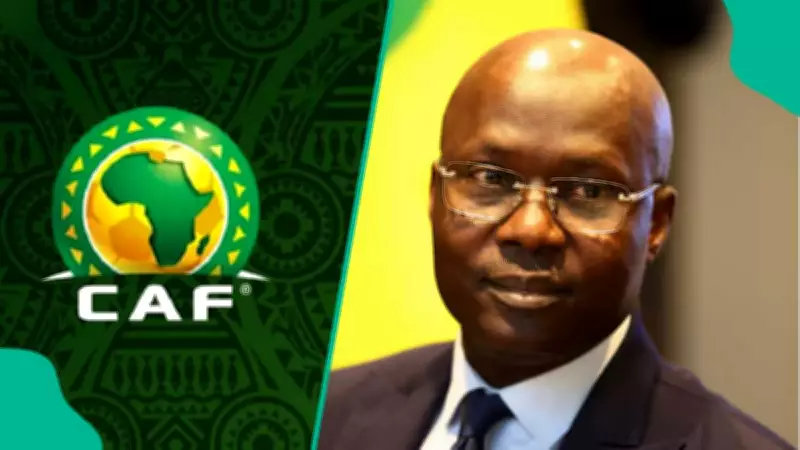
FSF President Abdoulaye Fall has launched a scathing critique of CAF's decision, labeling it an "administrative robbery" and vowing that Senegal will not accept the outcome without a fight. In a strongly worded statement, Fall declared, "In the face of this administrative robbery, the FSF refuses fatality. We will fight a moral and legal crusade." The controversy stems from CAF's ruling that Senegal forfeited the AFCON final after players walked off the pitch in protest of a late penalty decision, despite returning to complete the match and securing a 1-0 victory through an extra-time goal.
CAS Acknowledges Senegal's Appeal as Legal Process Commences
The Court of Arbitration for Sport in Lausanne, Switzerland, has officially confirmed receipt of Senegal's appeal and will appoint an independent panel of arbitrators to review the case. According to established procedures, Senegal now has twenty days to submit detailed legal arguments supporting their position, after which CAF will be granted another twenty days to prepare and present their response. This legal process, while potentially lengthy, carries significant consequences for both nations involved and the broader African football community.
CAF's Controversial Decision Awards Title to Morocco
CAF's Appeal Board determined that Senegal's temporary walk-off during the final constituted a serious breach of regulations severe enough to overturn the match result. Consequently, CAF awarded Morocco a 3-0 victory, granting the North African nation its first AFCON championship in nearly five decades. This decision has sparked widespread outrage throughout Senegal, where many football officials, players, and supporters believe the punishment imposed by CAF disproportionately exceeds the nature of the offense committed during the match.
Symbolic Trophy Presentation Planned Amid Legal Proceedings
While the legal battle unfolds at CAS, the Senegal Football Federation has announced plans to make a powerful symbolic statement by presenting the AFCON trophy to supporters ahead of their upcoming international friendly match against Peru in Paris on Saturday, March 28. This deliberate gesture clearly signals that, regardless of CAF's official ruling, Senegal continues to regard itself as the legitimate champion of the 2025 Africa Cup of Nations tournament. The friendly match itself serves as part of Senegal's preparation for future international competitions, including their already-confirmed qualification for the upcoming World Cup.
Player Offers to Return Medal in Diplomatic Gesture
In a related development that highlights the emotional impact of this controversy, Senegal midfielder Idrissa Gueye has publicly offered to return his 2025 AFCON medal in what he describes as a diplomatic effort to ease tensions between Senegal and Morocco. Speaking after his club Everton's 3-0 Premier League victory over Chelsea, Gueye expressed both frustration with the situation and a willingness to take personal action to promote reconciliation between the football communities of both nations.
Broader Implications for African Football Governance
This high-profile dispute between Senegal and CAF raises significant questions about governance, regulation enforcement, and dispute resolution mechanisms within African football. The outcome of the CAS arbitration could establish important precedents regarding how similar incidents are handled in future tournaments and may influence potential reforms within CAF's disciplinary and appeals processes. Football analysts across the continent are closely monitoring developments, recognizing that this case extends beyond the specific match result to touch upon fundamental principles of sports justice and administrative fairness.